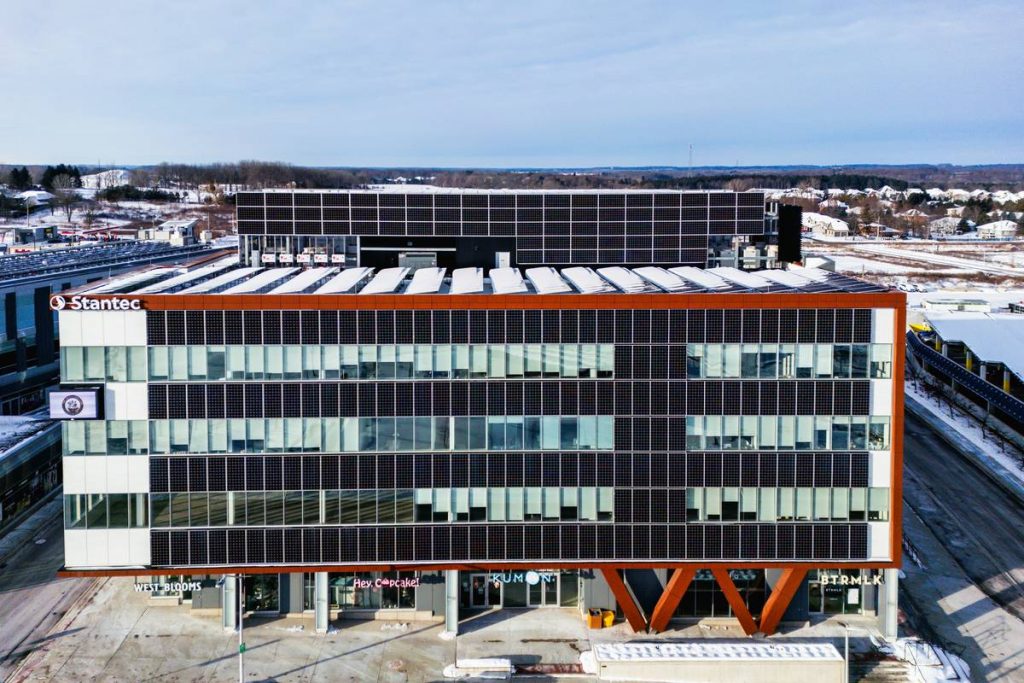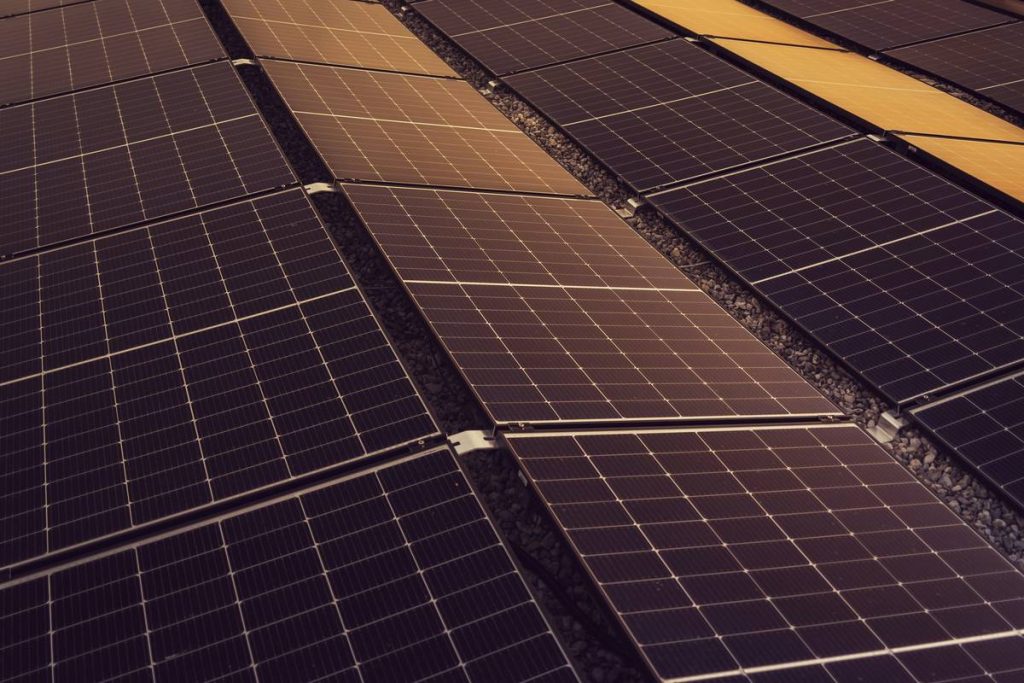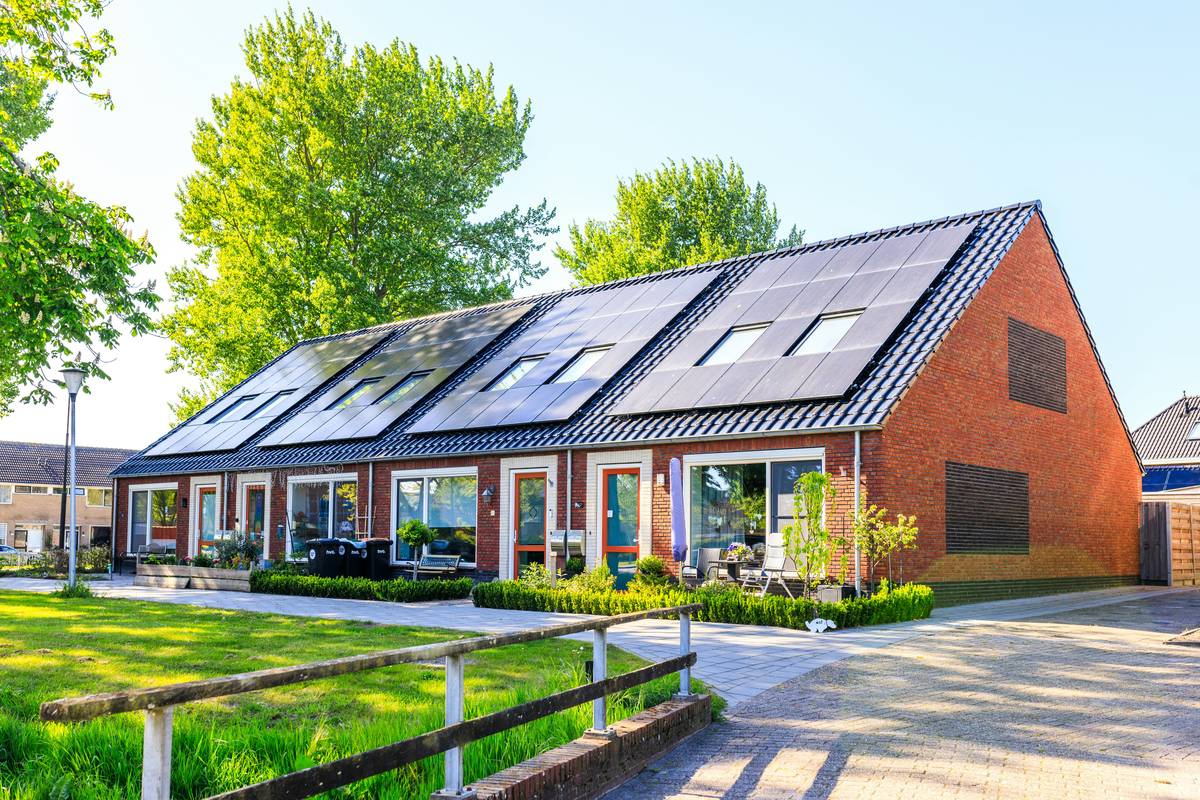
Commercial energy bills are bleeding your profits dry. Every sunny day passes while you pay grid rates that keep climbing—year after year. But what if your roof could pay you back instead? Enter q cell solar panels: high-efficiency, bankable hardware that’s quietly reshaping how smart businesses manage power.
Why Generic Solar Solutions Fail for Commercial Operations
Slapping residential-grade panels on a warehouse isn’t a strategy—it’s a sunk cost. Most “one-size-fits-all” commercial solar proposals ignore real-world variables: thermal stress from all-day sun exposure, rapid degradation in dusty environments, and mismatched inverters that throttle output. You end up with subpar ROI and maintenance headaches.
And it gets worse. Some installers bundle cheap Tier-3 modules to hit low price points—panels that lose 10% output in just three years. Your CFO sees spreadsheets; the installer sees commission. That misalignment is why so many commercial solar projects underperform.
q cell solar panels: A Step-by-Step Deployment Blueprint
Deploying q cell solar panels correctly demands precision—not guesswork. Here’s how forward-thinking facilities managers actually do it.
Evaluate Roof Load & Orientation
Commercial roofs aren’t blank canvases. You need structural validation first—especially for older buildings. South-facing tilt? Great. Flat membrane roof with HVAC units everywhere? You’ll need custom racking. Don’t assume—measure.
Model Degradation vs. Output Guarantee
Q Cells offers a 25-year linear performance warranty (86% output at year 25). Compare that to competitors still using step-decline models (e.g., “90% at year 10, then cliff drop”). Linear = predictable cash flow. Non-linear = budget surprises.
Negotiate Balance-of-System Synergies
The panel is only part of the equation. Pair q cell solar panels with compatible optimizers or string inverters that maximize DC harvest during partial shading—common on complex commercial rooftops with vents, skylights, and parapets.
| Factor | Standard Commercial Panels | q cell solar panels |
|---|---|---|
| Efficiency Rating | 17–19% | 21.4–22.3% |
| Degradation Rate | 0.7–1.0%/year | 0.45%/year |
| Warranty Type | Product: 10–12 yrs Performance: Step-decline |
Product: 12–25 yrs Performance: Linear to 86% |
| Heat Tolerance | Pmax drops ~0.45%/°C above STC | Pmax drops ~0.36%/°C above STC |

The Industry Secret: Tier-1 Doesn’t Mean What You Think
Here’s what distributors won’t tell you: “Tier-1” is a BloombergNEF financing label—not a quality metric. It just means banks will lend against those brands. Q Cells is Tier-1, yes—but so are dozens of forgettable manufacturers pumping out me-too modules.
The real differentiator? Vertical integration. Q Cells controls silicon ingot production through final module assembly. That means tighter tolerances, consistent cell matching, and fewer microcracks during shipping—a silent killer of long-term yield. Most competitors buy cells off the spot market. Batch variance? Guaranteed. And that variability shows up in your kWh deficit five years later.
Think about it: Would you build a data center with off-brand servers just because they’re “enterprise-rated”? Of course not. Same logic applies here.
Frequently Asked Questions
Are q cell solar panels worth it for small businesses?
Absolutely—if your roof has 500+ sq ft of unshaded space. Their high efficiency maximizes limited area, and the strong warranty reduces long-term risk. Ideal for retail stores, clinics, or auto shops.
How long do q cell solar panels last?
They’re rated for 25+ years of performance, but many continue producing beyond 30. Real-world field data from 2015 installations still show >88% output—beating warranty projections.
Can I get tax credits with q cell solar panels?
Yes. Under the Inflation Reduction Act, commercial systems qualify for a 30% federal Investment Tax Credit (ITC)—stackable with state incentives. Q Cells’ U.S. manufacturing presence may unlock additional domestic content bonuses.

Stop treating solar as a utility expense. With q cell solar panels, you’re installing an asset—one that appreciates in value as grid rates climb. Ready to lock in 10+ cents/kWh for the next two decades? Get a no-pressure commercial assessment today.