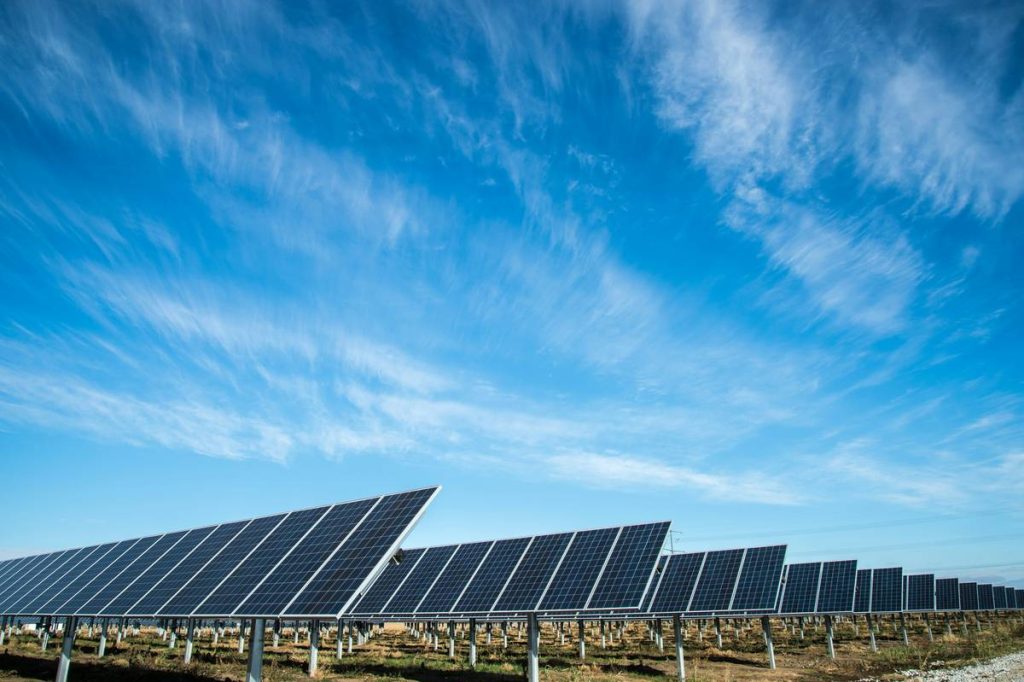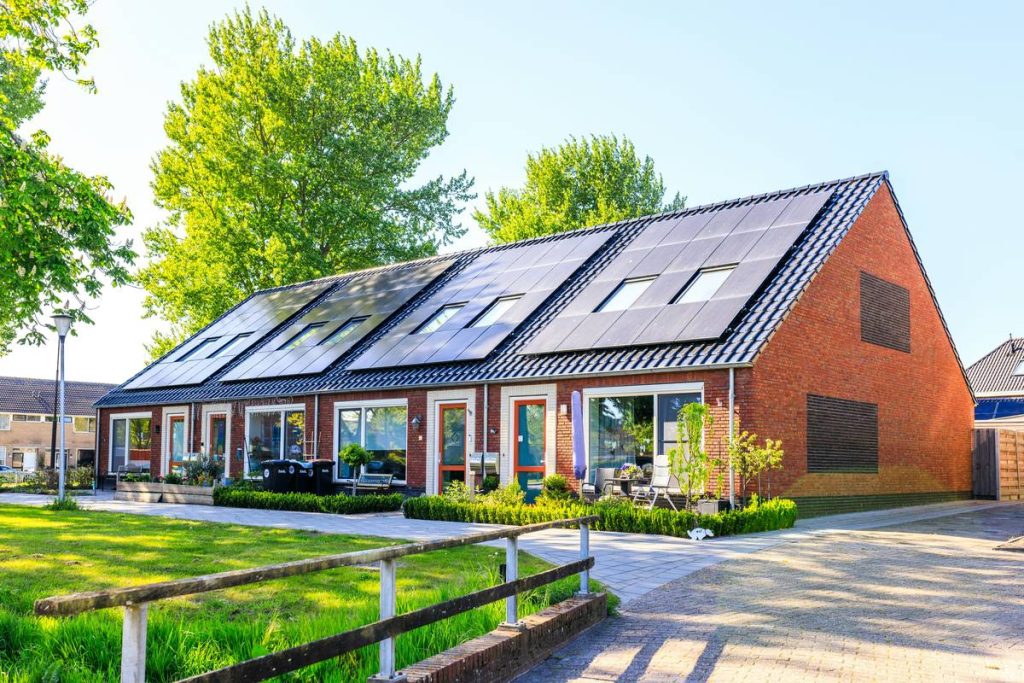
Commercial buildings guzzle electricity—often from fossil fuels. That spikes costs and carbon footprints. But there’s a smarter path: renewable resource commercial panel systems that slash bills, hedge against rate hikes, and signal serious sustainability. The question isn’t if you should switch—it’s how fast you can.
Why Most Commercial Solar Projects Fail Before They Begin
Too many companies treat solar like an afterthought—a shiny add-on slapped onto rooftops without real strategy. They skip load profiling. They ignore shading from adjacent HVAC units. Worse, they pick vendors based on upfront cost alone.
And then? Systems underperform by 30–40%. ROI evaporates. The panels sit there—expensive paperweights. The truth? Commercial solar isn’t plug-and-play. It demands engineering-level precision from day one.
Renewable Resource Commercial Panel How Is Deployed: A Real-World Blueprint
Forget vague promises. Here’s exactly how elite firms design, install, and maximize output for commercial-scale arrays—without blowing budgets.
Step 1: Energy Audit + Load Shaping
You can’t offset what you don’t measure. Top installers start with 90 days of granular energy data—not just monthly bills. They identify peak demand windows and idle cycles. Then they model solar generation against actual usage patterns, not averages.
Step 2: Site-Specific Panel Selection
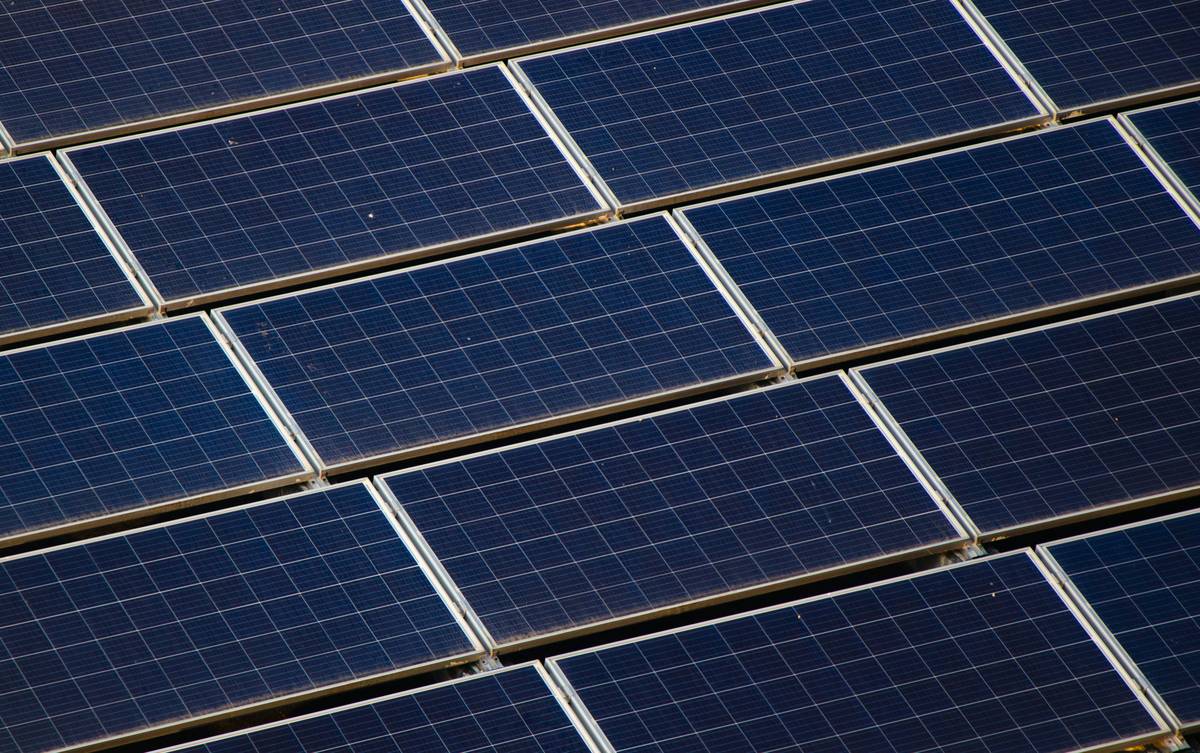
Not all panels are created equal for commercial use. Monocrystalline dominates—but bifacial modules gain ground when installed over reflective surfaces (white roofs, gravel ballast). And temperature coefficient matters more than most admit; Arizona rooftops punish low-grade cells.

Step 3: Financial Structuring That Wins CFO Approval
Here’s the reality: CapEx scares executives. So savvy teams present three paths—PPA, lease, or direct ownership—with 10-year net present value comparisons. Often, a third-party PPA with escalating rates locked below utility inflation wins the room.
| Financing Model | Upfront Cost | Avg. Payback Period | Tax Benefit Eligibility |
|---|---|---|---|
| Power Purchase Agreement (PPA) | $0 | N/A (fixed $/kWh) | None (vendor claims ITC) |
| Capital Lease | 10–20% down | 5–7 years | Limited |
| Direct Ownership | 100% system cost | 4–6 years (with ITC) | Full 30% ITC + MACRS |
The Industry Secret: Oversizing Inverters for Cloud Burst Gains
Most commercial designs match inverter capacity 1:1 with panel wattage. Big mistake. Veteran engineers deliberately undersize inverters—yes, undersize—by 20–30%. Why? Because panels rarely hit nameplate output. But during brief cloud-edge reflections (“cloud burst” events), they can surge beyond STC ratings. An oversized array feeds these micro-peaks into a slightly smaller inverter, squeezing extra kWh without extra hardware cost. It’s legal, code-compliant, and quietly used by top EPCs to boost yield by 5–8% annually.
FAQ
How much roof space does a commercial solar panel system need?
Roughly 100 sq. ft. per kW. A 100 kW system needs ~10,000 sq. ft.—but layout depends on obstructions, tilt, and local fire codes.
Can commercial solar panels power a building during outages?
Only if paired with batteries and islanding-capable inverters. Standard grid-tied systems shut off during blackouts for safety.
What’s the lifespan of renewable resource commercial panels?
Most Tier-1 panels warranty 80% output at year 25. In practice, many operate efficiently beyond 30 years with minimal degradation.