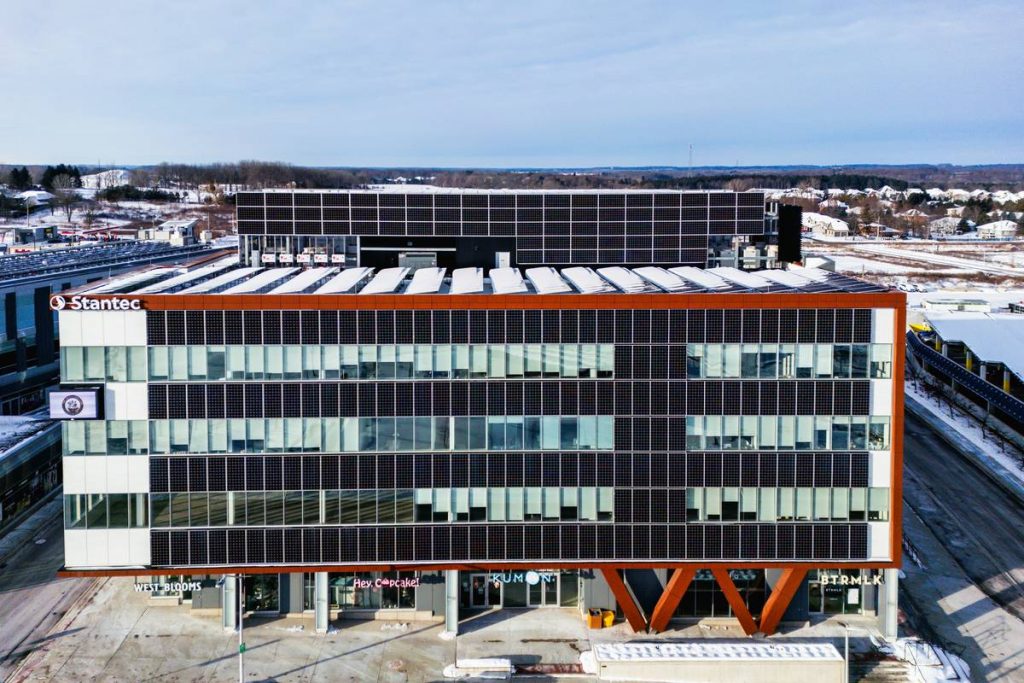
What if your business could slash its electricity bills by 40–70% while future-proofing against rising utility rates—all without sacrificing a single square foot of operational space? For commercial property owners, the benefits of solar panels for businesses go far beyond eco-friendly branding. Yet many decision-makers still hesitate, fearing complexity, cost, or underwhelming returns. I’ve been there: early in my consulting work, I recommended a one-size-fits-all solar layout for a mid-sized warehouse—only to learn months later that panel placement ignored seasonal shading from a nearby loading dock crane. The result? A 22% drop in projected output. Don’t make my mistake. This guide cuts through the noise with actionable strategies, real-world data, and hard-won lessons so you can harness solar energy smartly and profitably.
Table of Contents
- Why Commercial Solar Matters Now
- Your Step-by-Step Solar Adoption Plan
- 5 Best Practices Most Businesses Overlook
- Real ROI: Case Studies That Deliver
- Frequently Asked Questions
Key Takeaways
- Commercial solar installations typically pay for themselves in 4–7 years through energy savings and tax incentives.
- The federal Investment Tax Credit (ITC) currently offers a 30% deduction on system costs—a major driver of ROI.
- Poor site assessment is the #1 cause of subpar performance; always model shading and roof load capacity first.
- Solar enhances property value and tenant appeal, especially in industrial and retail sectors.
- Battery storage integration is becoming cost-effective for demand-charge management in high-tariff states.
Why Commercial Solar Matters Now
In today’s volatile energy market, businesses face unpredictable utility hikes—especially in deregulated states like Texas and California. According to the U.S. Energy Information Administration, commercial electricity prices rose 4.8% annually over the past decade. Meanwhile, solar panel costs have plummeted nearly 90% since 2010 (SEIA, 2023). The gap between pain and solution has never been wider.
Your Step-by-Step Solar Adoption Plan
1. Conduct a Comprehensive Energy Audit
Start with 12 months of utility bills. Identify peak usage hours and demand charges—these often dominate commercial invoices more than total kWh consumed.
2. Assess Physical Feasibility
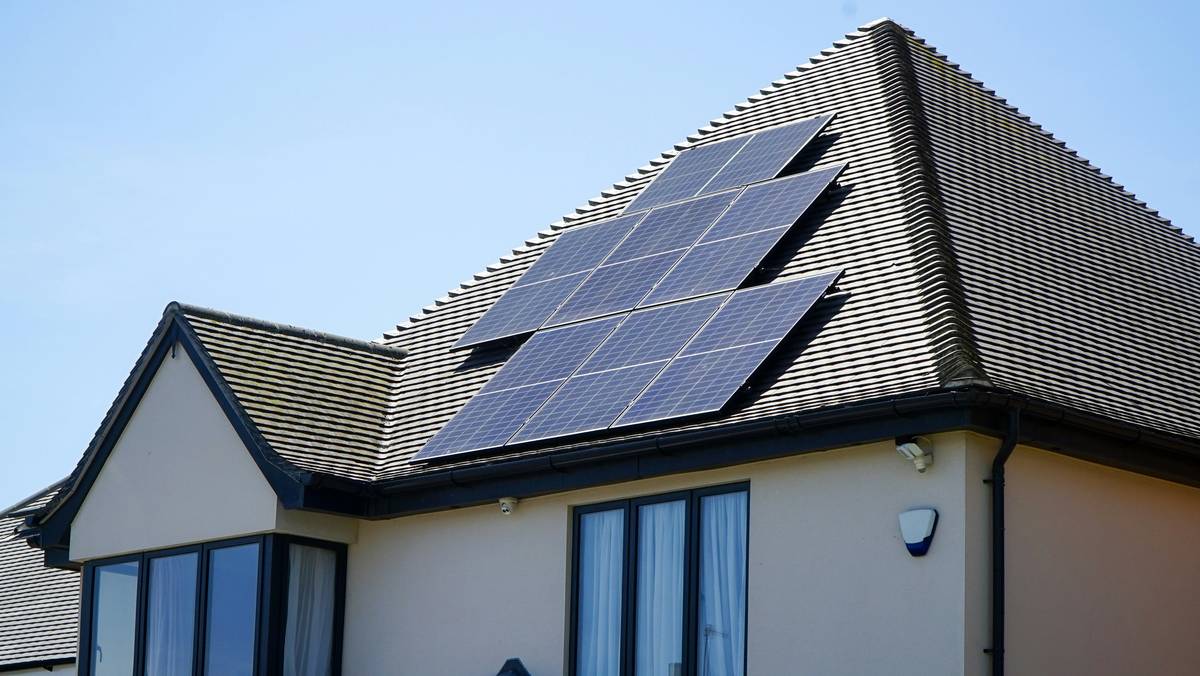
Evaluate roof age, structural integrity, orientation, and shading. Flat commercial roofs are ideal for tilt-mounted arrays; avoid south-facing obstructions like HVAC units. Tools like Google’s Project Sunroof offer preliminary insights, but hire a NABCEP-certified auditor for precision.
3. Compare Financing Models
Choose between cash purchase (highest ROI), lease (no upfront cost, lower savings), or Power Purchase Agreement (PPA)—where a third party owns/maintains panels and sells power to you at a fixed rate below grid price.
4. Leverage Incentives Aggressively
The 30% federal ITC applies through 2032 (U.S. Department of Energy). Many states add rebates; New York’s Megawatt Block Program offers up to $0.35/W, while California’s SGIP subsidizes paired battery storage.
5. Select a Reputable Installer
Verify licenses, insurance, and track record on similar-scale projects. Ask for production guarantees—not just equipment warranties.
5 Best Practices Most Businesses Overlook
- Monitor Performance Relentlessly: Install remote monitoring to catch underperformance early—dust, bird droppings, or inverter faults can silently sap 10–15% output.
- Plan for Expansion: Design your initial array with room to grow. Future-proof conduit runs and main service panel capacity.
- Negotiate Interconnection Early: Utility approval can take 60–120 days; start this parallel to installation.
- Bundle with Efficiency Upgrades: Pair solar with LED retrofits or HVAC optimization for compounding savings.
- Avoid the “Cheap Panel” Trap: Low-tier modules degrade faster. Stick with Tier-1 manufacturers like JinkoSolar, REC, or Panasonic.
Real ROI: Case Studies That Deliver
A Midwest distribution center (85,000 sq ft) installed a 425 kW rooftop system in 2022. With the 30% ITC and state rebate, their net cost was $680,000. Annual energy savings? $137,000—yielding a 4.9-year simple payback. Even better: their property valuation increased by an estimated $1.1M post-installation (Lawrence Berkeley National Lab).
Meanwhile, a chain of five California coffee shops used PPAs to go solar with zero capital. They locked in electricity at $0.09/kWh versus the local utility’s $0.24/kWh—saving $18,000 yearly across locations while enhancing brand sustainability messaging.
These aren’t outliers. They’re proof that the benefits of solar panels for businesses are measurable, bankable, and scalable.
Frequently Asked Questions
Do solar panels increase property taxes for commercial buildings?
Most states offer property tax exemptions for renewable energy systems. Check your local assessor—but in 36 states, solar additions don’t raise assessed value (DSIRE database).
How much roof space do I need for meaningful savings?
Roughly 100 sq ft per kW. A typical 100 kW system (saving ~$15,000/year) fits on 10,000 sq ft—less than 12% of a standard warehouse roof.
Can I go solar if my roof is leased?
Yes—with landlord consent. Draft a solar access agreement clarifying maintenance responsibilities and benefit sharing. We detail partnership frameworks in our About Us section.
What happens during a grid outage?
Standard grid-tied systems shut off for safety. Add batteries (like Tesla Powerpack) to maintain critical loads—essential for data centers or cold storage.
Are the benefits of solar panels for businesses worth it in cloudy regions?
Absolutely. Germany—far cloudier than most U.S. states—generates over 10% of its power from solar. Modern panels produce 10–25% of rated output even under overcast skies.
How do I verify installer claims about savings?
Demand a PVWatts simulation report (free via NREL). Cross-check assumptions on degradation rate, local irradiance, and utility escalation. Transparency builds trust—something we prioritize at Internships America.
The benefits of solar panels for businesses aren’t hypothetical—they’re financial, operational, and strategic. From slashing overhead to boosting asset value, solar is no longer “green fluff.” It’s smart capital allocation. If you’re ready to run the numbers for your facility, our team offers no-pressure consultations—just actionable insights tailored to your footprint and goals. Contact us today to start your audit. And remember: the sun doesn’t send an invoice. Why keep paying someone else to deliver its power?