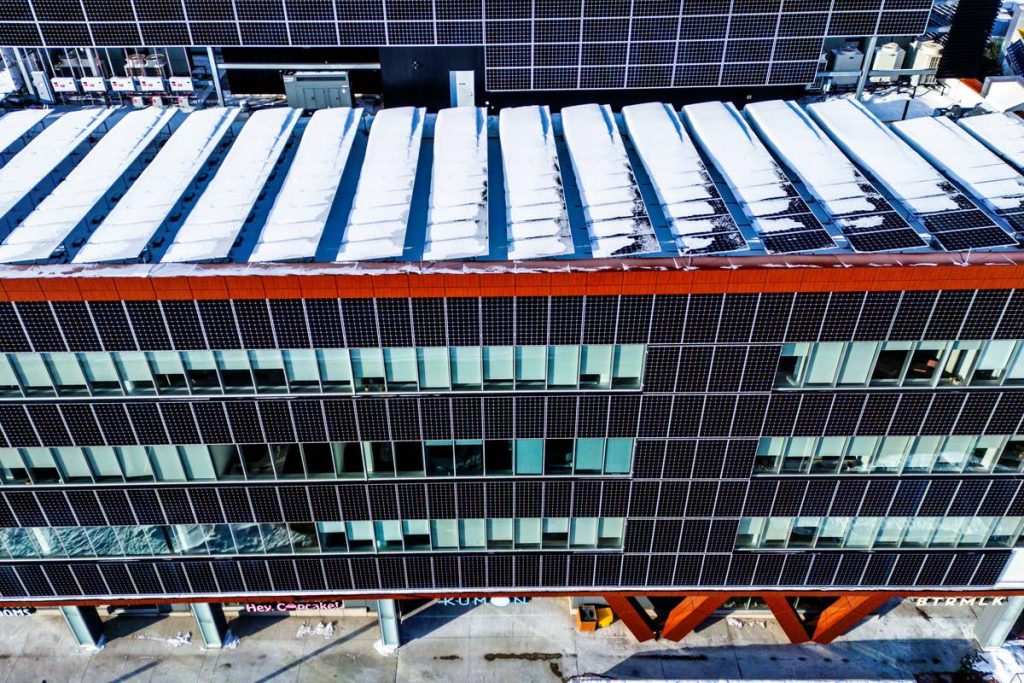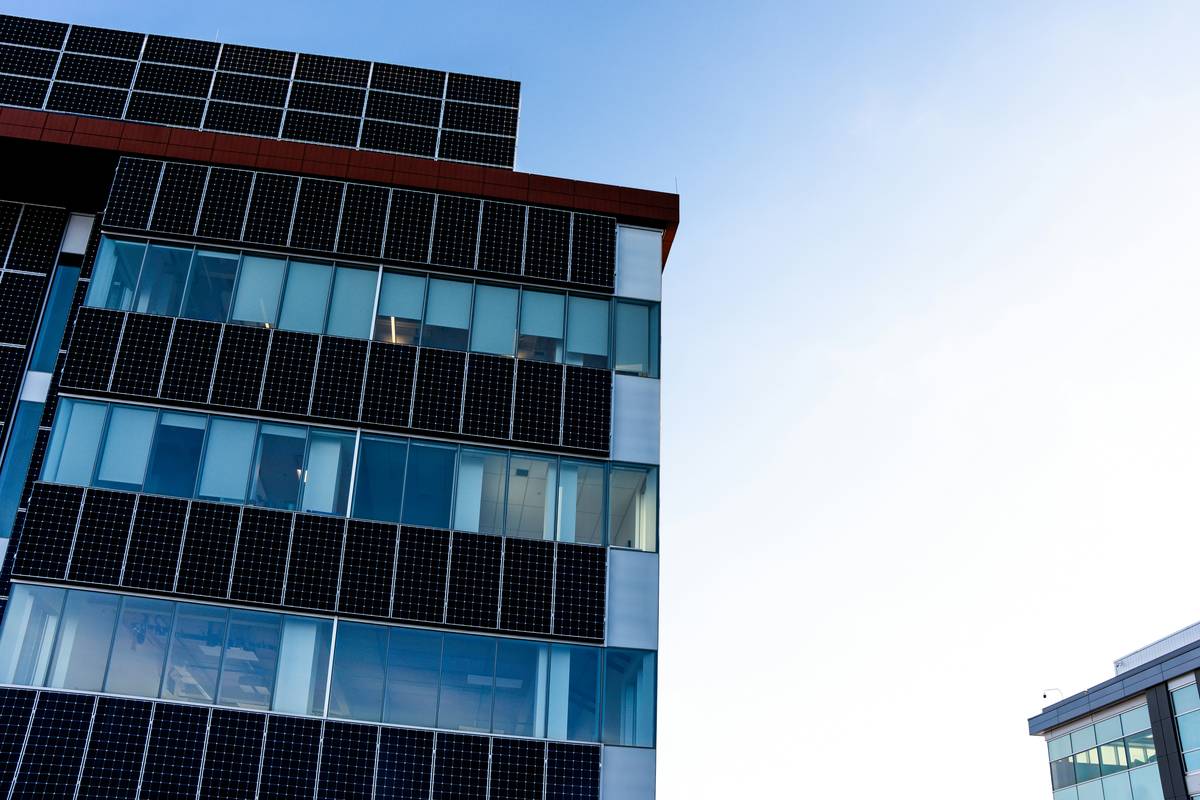
What if your commercial property could slash its electricity bills by 40%—or more—while boosting sustainability credentials? That’s the real promise of solar panels for commercial buildings. Yet too many business owners dive in without a roadmap, only to face budget overruns, inefficient layouts, or regulatory headaches. In this guide, we cut through the noise with actionable steps, hard-won lessons (yes, I once approved a roof layout that ignored HVAC units—don’t be like me), and data-backed strategies to maximize ROI on commercial solar installations.
Table of Contents
- Why Commercial Solar Adoption Is Surging—and Where It Goes Wrong
- Your Step-by-Step Commercial Solar Installation Roadmap
- 5 Best Practices for Long-Term Performance & Savings
- Real Results: Case Studies That Prove the ROI
- Frequently Asked Questions
Key Takeaways
- Scale matters: Commercial systems typically range from 50 kW to over 1 MW, requiring specialized engineering.
- Rooftop readiness is non-negotiable: Structural integrity, shading, and equipment placement must be assessed before design.
- Incentives are still strong: The federal Investment Tax Credit (ITC) offers 30% off system costs through 2032 (U.S. Department of Energy).
- Oversizing isn’t always better: Match production to actual daytime consumption to avoid wasted credits.
Why Commercial Solar Adoption Is Surging—and Where It Goes Wrong
Commercial property owners face mounting pressure: rising utility rates, ESG mandates, and tenant demand for green spaces. According to the Solar Energy Industries Association (SEIA), U.S. commercial solar capacity grew by 18% in 2023 alone. But enthusiasm often outpaces planning. I remember consulting on a warehouse project where the client insisted on covering every inch of roof—only to discover three large skylights and six exhaust fans were completely shaded. We lost weeks redesigning.
The core issue? Residential solar tactics don’t scale. Commercial buildings have complex energy profiles, varied roof types (flat, metal, membrane), and stricter fire codes. Ignoring these invites expensive rework.
Your Step-by-Step Commercial Solar Installation Roadmap
1. Audit Your Energy Consumption
Pull 12 months of utility bills. Identify peak usage hours and seasonal spikes. Tools like ENERGY STAR Portfolio Manager (EPA) help benchmark against similar facilities.
2. Assess Rooftop Viability
Hire a structural engineer to confirm load capacity. Most commercial roofs support 3–5 lbs/sq ft—but snow-prone regions need extra margin. Document all obstructions: vents, pipes, skylights.
3. Choose the Right Technology
Monocrystalline panels dominate commercial projects due to higher efficiency (20%+) and smaller footprint. Consider microinverters vs. string inverters: microinverters optimize per-panel output in partially shaded zones—a common issue on large roofs.
4. Navigate Permits & Interconnection
Commercial permits involve building, fire, and electrical departments. Simultaneously, apply for grid interconnection with your utility. Delays here can stall projects for months.
5. Secure Financing
Options include cash purchase (highest ROI), Power Purchase Agreements (PPAs), or leases. PPAs require zero upfront cost but lock you into fixed kWh rates—evaluate carefully against projected utility hikes.
5 Best Practices for Long-Term Performance & Savings
- Leave maintenance aisles: Install panels with 2–3 ft walkways for cleaning and inspections. Dirty panels can lose 15%+ output (NREL study).
- Monitor production daily: Use platforms like SolarEdge or Enphase to spot underperforming strings immediately.
- Time installation with roof replacement: Mounting hardware lasts 25+ years—don’t install on a roof needing replacement in 5.
- Beware “terrible tip” #1: “Just copy your neighbor’s system.” Every building’s energy profile, roof angle, and local incentives differ. Generic advice fails.
- Integrate with storage later: Design conduit pathways now for future battery additions, even if you skip batteries initially.
Real Results: Case Studies That Prove the ROI
A Midwest distribution center (120,000 sq ft) installed a 450 kW system in 2022. After claiming the 30% ITC and state rebates, their net cost was $680,000. Annual savings hit $92,000—yielding a 7.4-year payback. Better yet, they qualified for LEED certification, attracting premium tenants.
In California, a retail plaza offset 85% of its daytime load with a 220 kW array. By aligning panel orientation with afternoon peaks (when AC runs hardest), they avoided costly demand charges—a common oversight. Their secret? A granular load audit showing 68% of usage occurred between 10 AM–4 PM.
Frequently Asked Questions
How much roof space do I need for commercial solar panels?
Typically, 100 sq ft per kW. A 100 kW system needs ~10,000 sq ft—but usable space depends on setbacks, obstructions, and local fire codes.
Can I install solar panels on a flat commercial roof?
Absolutely. Most commercial roofs are flat. Installers use ballasted racks (weighted, no penetrations) or tilted frames to optimize sun exposure.
What’s the average payback period for solar panels for commercial buildings?
Between 5–8 years after incentives, depending on location, utility rates, and financing. Systems often produce for 25–30 years.
Do commercial solar panels increase property value?
Yes. A 2023 Lawrence Berkeley National Lab study found commercial properties with solar sold for 3–5% more and leased faster.
Are there hidden costs I should know about?
Yes—roof reinforcement, upgraded switchgear, or utility upgrade fees. Always budget 10–15% contingency for surprises.
Ready to turn your commercial roof into a profit center—not just a cost center? Avoid the rookie errors and leverage proven frameworks by talking to experts who’ve navigated hundreds of installations. Contact us today for a no-pressure consultation. And if you’re curious about our mission to bridge sustainability with practical business solutions, explore our About Us page. All data shared during assessments is protected under our strict Privacy Policy.
Remember: the sun doesn’t send invoices. But your utility company will—until you act.