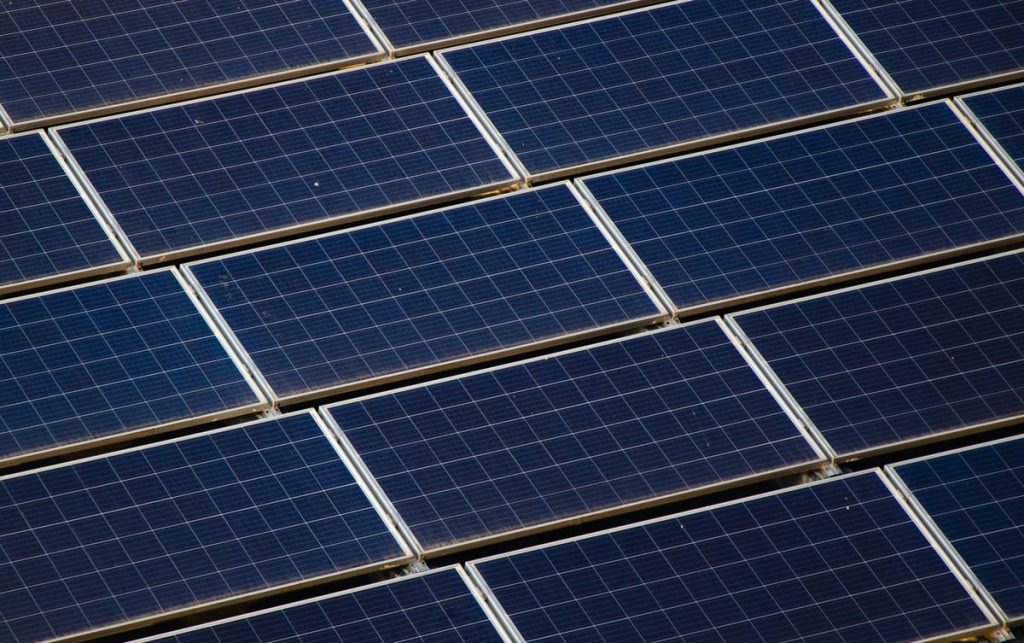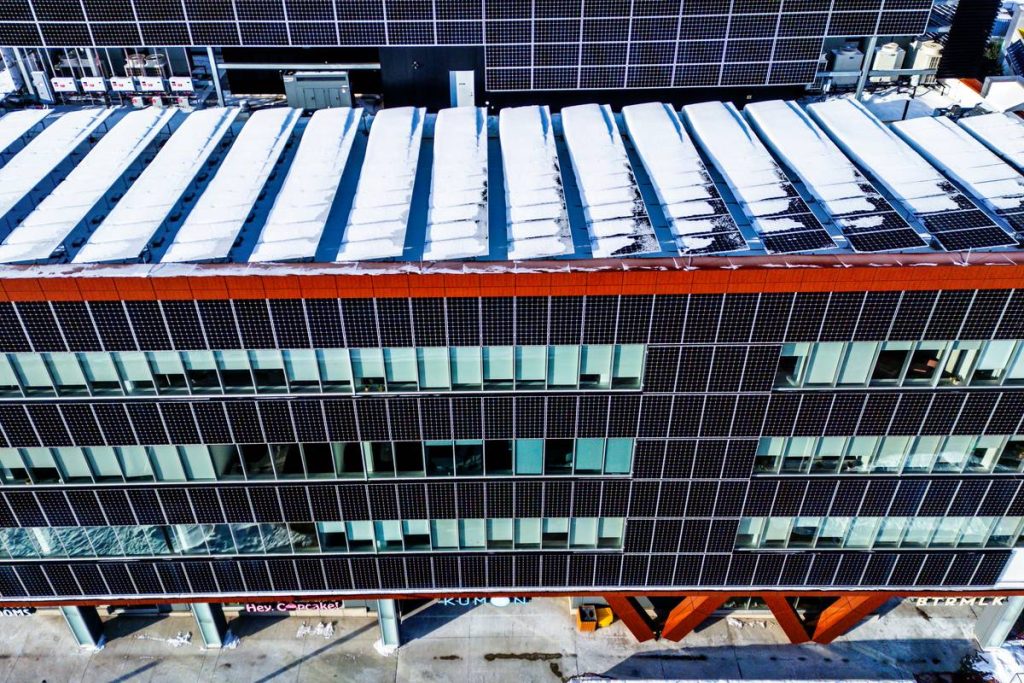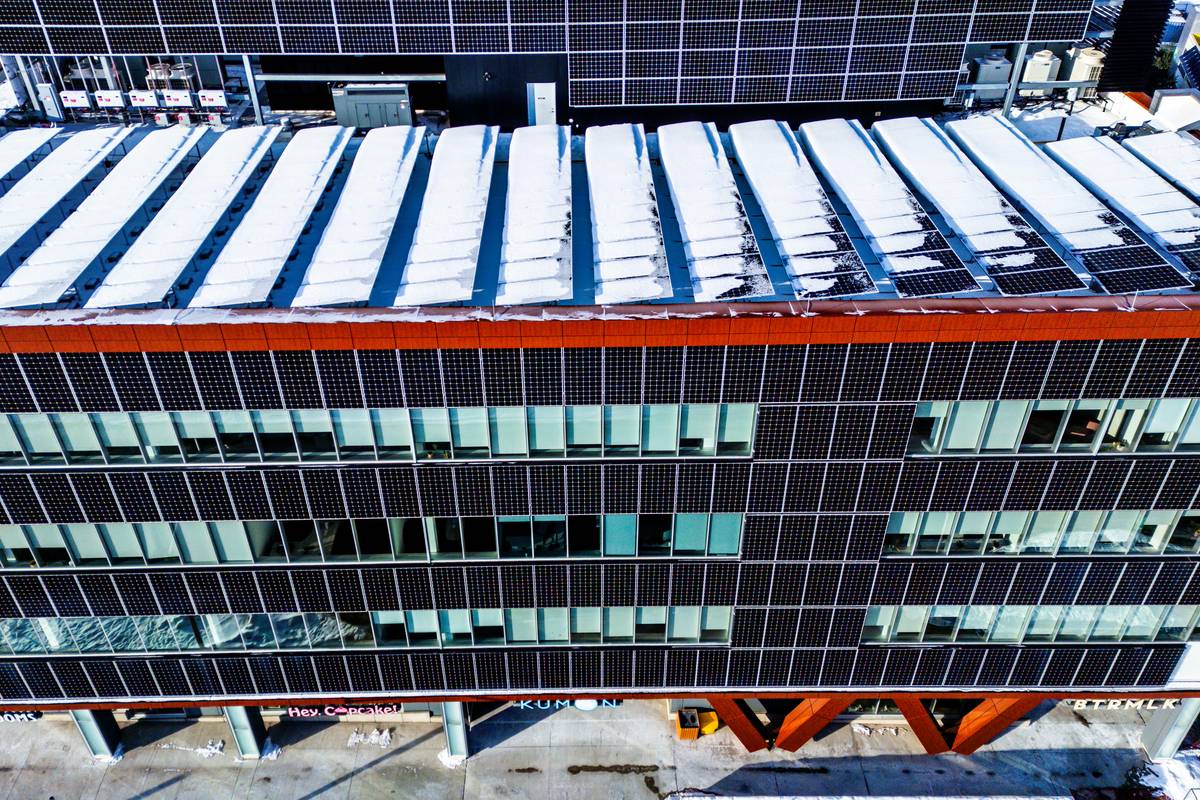
Energy costs are bleeding your bottom line dry. Every month, another utility bill arrives—higher than the last. And while competitors quietly slash operating expenses with renewable power, you’re still writing checks to fossil fuel giants. The fix? Commercial property solar panels. Not as a “green gesture,” but as a hard-nosed financial play.
The Core Problem: Why Most Commercial Solar Projects Underperform
Most businesses install commercial property solar panels expecting immediate savings—and get disappointed. Why? Because they treat solar like a product, not a system. They slap panels on a roof without optimizing tilt, local irradiance, or demand patterns. Worse—they ignore degradation curves and inverter bottlenecks.
And here’s the kicker: cheap installations often use Tier-3 panels with hidden warranty traps. After five years? Output drops 25%. Your “savings” vanish. The math is simple: poor design = negative ROI.
How to Deploy Commercial Property Solar Panels That Actually Deliver ROI
Forget cookie-cutter quotes. Real commercial solar success hinges on three non-negotiables: site-specific engineering, bankable hardware, and strategic interconnection timing. Let’s break it down.
Conduct a Granular Site Energy Audit First
Don’t just look at square footage. Map your load profile hour by hour. When does peak demand hit? Is it driven by HVAC, machinery, or lighting? This dictates whether you need battery storage—or if time-of-use arbitrage alone suffices.
Select Tier-1 Panels with Real-World Degradation Data
Not all “Tier-1” labels are equal. Demand third-party test reports—not marketing brochures. Look for panels with <0.45% annual degradation. Monocrystalline PERC or TOPCon? Both work—but only if matched to your roof’s thermal environment.
Negotiate Interconnection Like a Utility Trader
Interconnection queues can take 18 months in congested grids. But few know you can apply *before* final design approval. File early. Lock your place. Delay this, and your project stalls while energy prices climb.
| System Component | Budget Option | ROI-Optimized Choice | Long-Term Impact |
|---|---|---|---|
| Panels | Generic polycrystalline (Tier-3) | Monocrystalline TOPCon w/ 30-yr linear warranty | +12–18% lifetime yield |
| Inverters | String inverters, single MPPT | Central inverters with multi-MPPT or microinverters | 5–9% more harvest in partial shade |
| Monitoring | Basic production readout | AI-driven performance analytics + remote diagnostics | Catches underperformance within hours, not quarters |
The Industry Secret No Installer Wants You to Know
Here’s what gets buried in footnotes: **demand charge mitigation** is where commercial solar really shines—and most proposals completely ignore it. Utilities bill businesses not just for total kWh used, but for the highest 15-minute power draw each month. That one spike from starting compressors? It can cost thousands.
Solar + storage systems can flatten that peak—slashing bills by 30–50% even if total energy offset is modest. Yet 80% of commercial quotes don’t model demand charges. Ask for a full tariff analysis. If they can’t provide it, walk away.
Frequently Asked Questions
How much roof space do commercial property solar panels require?
Roughly 100 sq ft per kW. A 100 kW system needs ~10,000 sq ft—but layout depends on obstructions, tilt, and local codes.
Do commercial solar panels increase property value?
Yes. Studies show leased or owned solar adds 3–5% to commercial property valuation due to lower operating costs and tenant appeal.
What’s the typical payback period for commercial property solar panels?
With current tax credits and rising utility rates, most systems break even in 4–7 years—not the 10+ often quoted.