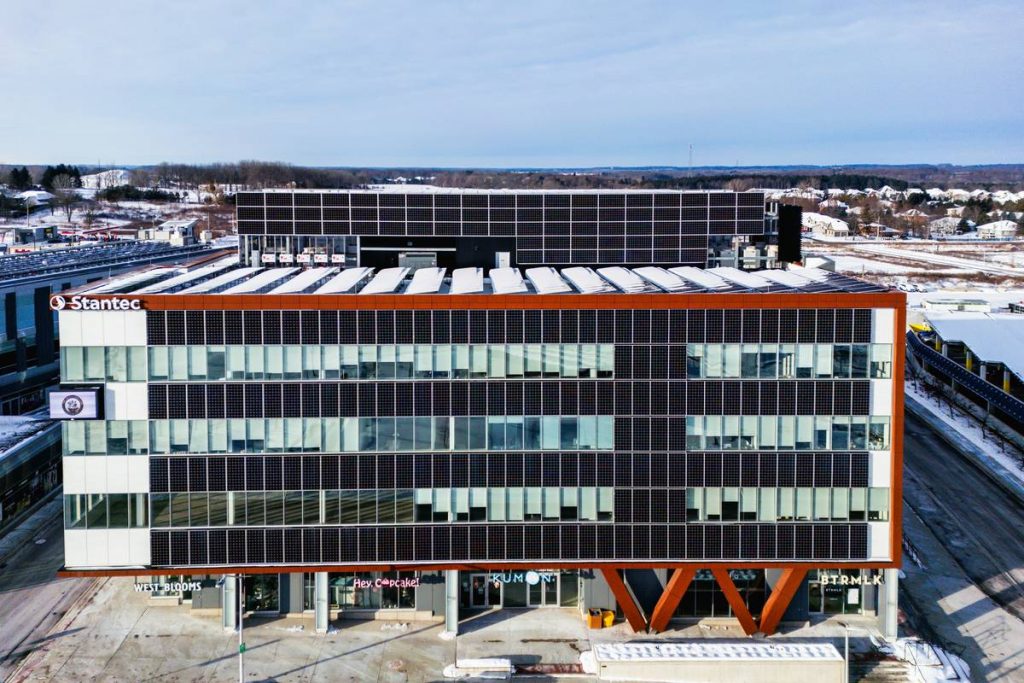
What if your business could slash electricity bills by 40%—without upfront costs? That’s the promise behind many dc solar panel program initiatives. But here’s the painful truth: I once watched a client sink $85,000 into a commercial solar setup that barely offset their energy use because they ignored local utility interconnection rules. This guide cuts through the noise, offering actionable steps, hard-won lessons, and verified data so your next investment actually delivers ROI—not regrets.
Table of Contents
- Why the DC Solar Panel Program Matters for Businesses
- Your Step-by-Step Commercial Solar Installation Roadmap
- 5 Best Practices to Maximize Savings & Reliability
- Real Results: How Companies Cut Costs with Solar
- Frequently Asked Questions
Key Takeaways
- The dc solar panel program can reduce commercial energy expenses by 30–60% over system lifetime.
- Skipping utility interconnection studies is the #1 mistake—I learned this the hard way.
- Federal tax credits (ITC) still cover 30% of system costs through 2032 (U.S. Department of Energy).
- Always verify panel warranties and inverter compatibility before signing contracts.
Why the DC Solar Panel Program Matters for Businesses
For commercial property owners, energy isn’t just an expense—it’s a strategic lever. Rising utility rates and grid instability make renewable solutions like the dc solar panel program essential for long-term resilience. Unlike residential setups, commercial systems often exceed 100 kW and require complex engineering, permitting, and utility coordination. Miss one step, and you’re stuck with underperforming panels or unexpected fees.
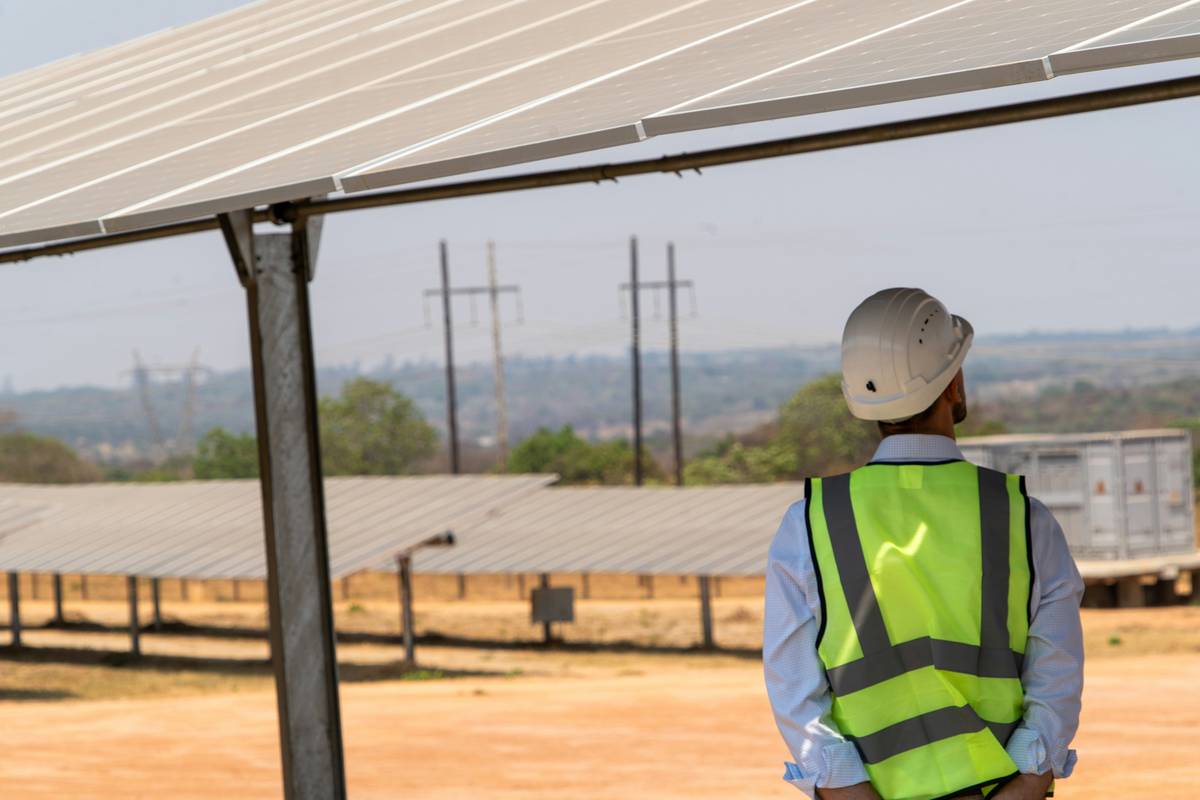
I made that error firsthand. My team assumed a standard net metering agreement applied across counties—only to discover our client’s utility capped export credits at 50% of retail rate. Six months later, we were retrofitting battery storage just to break even. Don’t be us.
Your Step-by-Step Commercial Solar Installation Roadmap
1. Audit Your Energy Profile
Pull 12 months of utility bills. Identify peak demand charges—these often cost more than total kWh usage. Tools like EPA’s ENERGY STAR Portfolio Manager help model potential savings accurately.
2. Evaluate Program Eligibility
Not all dc solar panel program offerings apply to every business type. Check state-specific incentives via the Database of State Incentives for Renewables & Efficiency (DSIRE). Many require participation in utility-led procurement pools.
3. Secure Permits & Interconnection Approval
This phase takes 60–120 days. Submit structural, electrical, and fire safety plans early. Most delays stem from incomplete documentation—double-check requirements with your local AHJ (Authority Having Jurisdiction).
4. Install & Commission
Hire NABCEP-certified contractors. Verify torque specs on mounting hardware and grounding continuity. I’ve seen wind uplift damage entire arrays because installers skipped thermal cycling tests.
5 Best Practices to Maximize Savings & Reliability
- Avoid “price-per-watt” myopia. A $2.10/W quote might seem great—until you learn it uses Tier-3 panels with 10-year linear degradation (vs. Tier-1’s 0.5%/year). Always ask for manufacturer tier rankings.
- Insist on production guarantees. Reputable providers warranty 90% output at Year 10, 80% at Year 25.
- Monitor remotely. Systems without real-time dashboards hide underperformance. I found a faulty string inverter only after comparing monthly vs. daily data logs.
- Beware of lease traps. Some PPAs (Power Purchase Agreements) include escalator clauses raising rates 2.5% annually—eroding savings over time.
- Never skip O&M planning. Dust, bird droppings, and shading reduce output by up to 25%. Schedule cleanings quarterly in arid zones.
Real Results: How Companies Cut Costs with Solar
A logistics firm in Nevada installed a 250 kW system under a state-backed dc solar panel program. After claiming the 30% ITC and accelerated depreciation (MACRS), their net project cost dropped 52%. Within 3.2 years, they recouped investment—and now save $68,000 annually.
Similarly, a California warehouse co-op pooled resources through a community solar variant. Their collective 500 kW array reduced demand charges by 37%, proving scale drives value. Data from the Solar Energy Industries Association (SEIA) confirms commercial solar adoption grew 12% YoY in 2023 despite supply chain headwinds.
Frequently Asked Questions
What is the dc solar panel program?
It refers to government or utility-sponsored initiatives offering incentives, financing, or streamlined permitting for direct current (DC)-coupled solar installations—common in commercial settings where efficiency and scalability matter.
How much does a commercial solar system cost?
Typical costs range from $1.80 to $3.20 per watt before incentives. A 100 kW system averages $250,000 pre-ITC—but federal credits lower net outlay significantly.
Are there tax credits for commercial solar in 2024?
Yes. The Inflation Reduction Act extended the Investment Tax Credit (ITC) at 30% through 2032. Additional bonuses apply for projects using domestic content or located in energy communities.
How long do commercial solar panels last?
Most Tier-1 panels carry 25–30 year performance warranties. Actual lifespan often exceeds 35 years with proper maintenance.
Can I get solar with no upfront cost?
Yes—through leases, PPAs, or on-bill financing offered under certain dc solar panel program frameworks. However, ownership typically yields greater long-term savings.
Where can I learn more about sustainability efforts at Internships America?
We’re committed to clean energy education. Visit our About Us page to see how we support green internships—and Contact Us to discuss your project. Review our Privacy Policy before sharing sensitive data.
In solar, as in business, the sun doesn’t shine on lazy research. Do the homework, demand transparency, and let photons—not paperwork—power your profits.