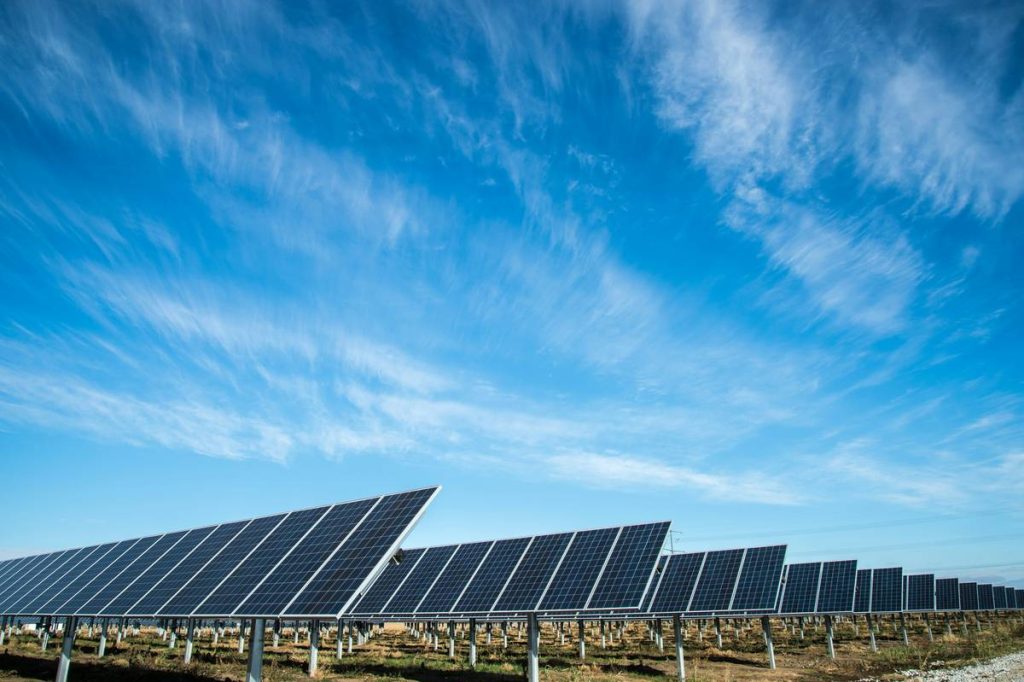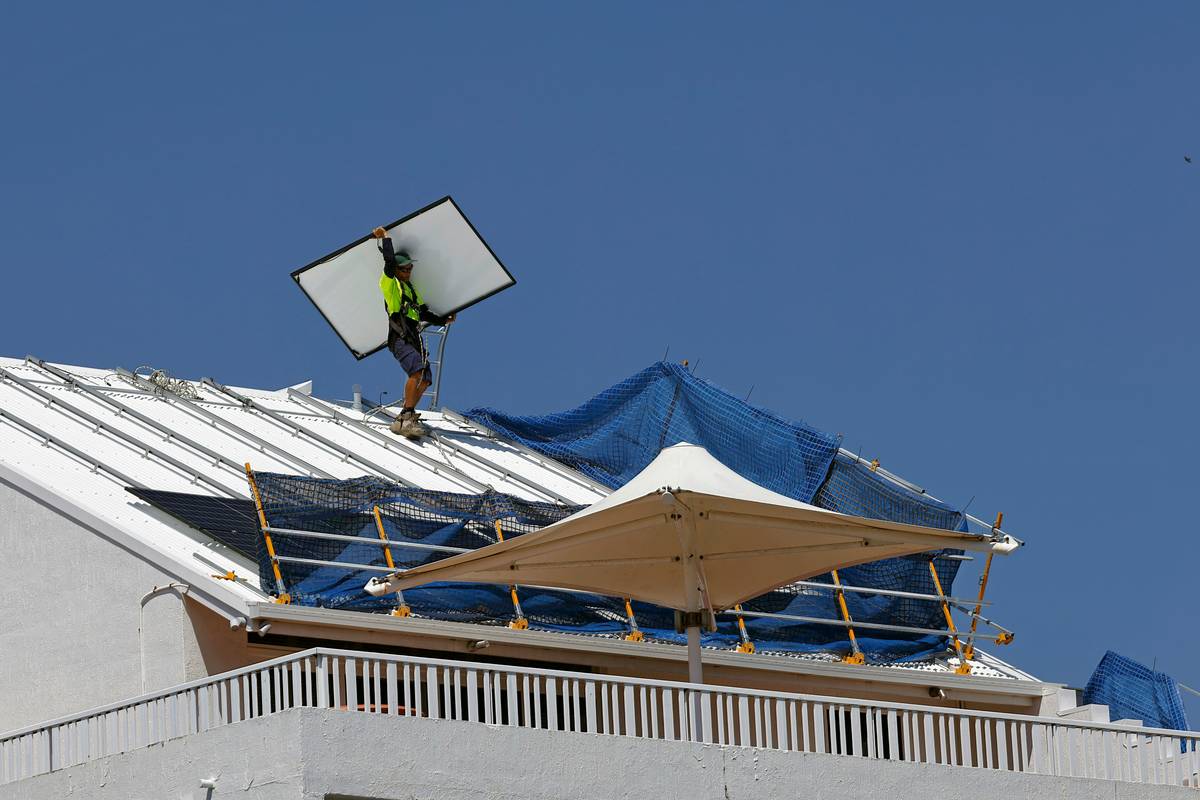
Ever watched a commercial solar array go live—only to find out weeks later it’s underperforming because of wiring errors made during installation? You’re not alone. As renewable energy demand surges, so does the need for skilled technicians who truly understand commercial solar pv installation training. This isn’t your backyard DIY project; commercial systems power warehouses, schools, and factories—and mistakes here cost tens of thousands. In this guide, we’ll walk you through what quality training must include, how to spot red flags, and real-world lessons from the field (including one painful blunder I made early in my career).
Table of Contents
- Why Commercial Solar Training Matters
- Step-by-Step Path to Proficiency
- Best Practices for Installers
- Real-World Results: Case Studies
- Frequently Asked Questions
Key Takeaways
- Commercial systems require different design rules, safety codes, and commissioning steps than residential ones.
- Hands-on practice with string inverters, DC optimizers, and roof anchoring is non-negotiable.
- OSHA and NEC Article 690 compliance must be embedded in any credible training program.
- Avoid “weekend certification” mills—they skip grid interconnection protocols that utilities actually enforce.
Why Commercial Solar Training Matters
The U.S. installed over 8.4 gigawatts of commercial solar capacity in 2023 alone—up 34% year-over-year, according to the Solar Energy Industries Association (SEIA). But rapid growth has exposed a dangerous gap: too many new installers learn on the job… after passing a multiple-choice test. Unlike residential rooftops, commercial buildings often use flat roofs, ballasted racking, or complex electrical feeds that demand deep knowledge of structural loading, voltage drop calculations, and utility interconnection agreements.
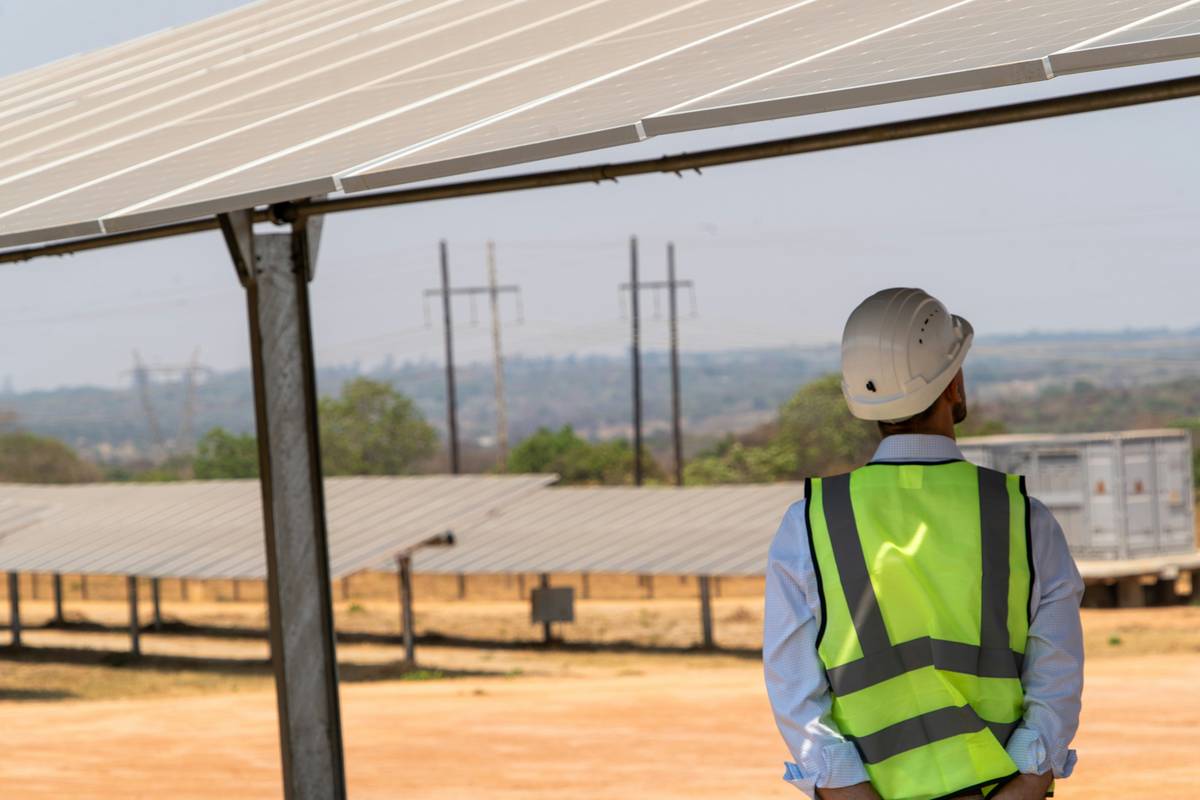
I learned this the hard way. On my first large-scale job—a 250-kW system for a logistics center—I assumed the conduit bend radius was the same as residential. It wasn’t. The result? A failed inspection, two-day delay, and $3,200 in rework costs. Never again.
Step-by-Step Path to Proficiency
1. Master Electrical Fundamentals First
No amount of commercial solar pv installation training compensates for weak Ohm’s Law intuition. Ensure your program covers AC/DC theory, grounding electrodes, and short-circuit current calculations before touching panels.
2. Train on Real Commercial Hardware
Practice with actual string inverters (like SMA or Fronius), combiner boxes, and monitoring gateways. Simulators won’t teach you how to torque lug bolts to spec or troubleshoot arc-fault errors.
3. Nail Safety & Code Compliance
Your training must integrate OSHA fall protection standards and the latest NEC Article 690 requirements. Bonus if it includes utility-specific interconnection paperwork walkthroughs (e.g., PG&E’s Rule 21).
Best Practices for Installers
- Use infrared thermography during commissioning: Hot spots reveal loose connections before they cause failures.
- Document every step: Photos of grounding clips, torque settings, and labeling help during inspections and warranty claims.
- Never skip shade analysis: Even minor obstructions hurt commercial ROI. Use tools like Solargraf or Aurora.
- Terrible Tip Alert: “Just copy the residential layout.” Nope. Commercial arrays optimize for kWh/sq. ft.—not aesthetics.
Real-World Results: Case Studies
A Midwest training provider integrated hands-on commercial solar pv installation training into their curriculum, partnering with local community colleges. Within 18 months, their graduates saw a 92% job placement rate in solar firms—and 78% reported handling systems over 100 kW within their first year, per a U.S. Department of Energy case study.
Contrast that with untrained crews: NREL data shows improperly torqued connections cause 22% of premature inverter failures in commercial deployments. Solid training prevents those losses.
Frequently Asked Questions
How long does commercial solar PV installation training take?
Quality programs range from 40–120 hours. Shorter courses often skip critical topics like transformerless inverter grounding or rapid shutdown compliance.
Is certification required to install commercial solar?
Not federally, but most states and utilities require NABCEP PV Installation Professional certification—or equivalent—for system sign-off.
Can I transition from residential to commercial solar without retraining?
Risky. Commercial systems involve higher voltages, different racking, and complex metering. Dedicated commercial solar pv installation training bridges that gap safely.
What’s the biggest mistake new commercial installers make?
Underestimating permitting timelines. Commercial projects often need structural reviews, fire department approvals, and utility interconnection studies—none of which appear in residential workflows.
Where can I find reputable training near me?
Check SEIA’s approved provider list or community colleges with IREC accreditation. Always verify hands-on lab time before enrolling.
Does Internships America offer such training?
We connect learners with vetted industry partners delivering rigorous commercial solar pv installation training. Learn more on our About Us page, and feel free to contact us with specific questions. We respect your privacy—see our full Privacy Policy for details.
Remember: sunlight is free, but competence isn’t. Invest in real skills, not just certificates. Because when that 500-panel array powers up without a hitch? That’s the sound of expertise paying off.