If you’re overseeing a commercial building project, have you considered how much you could save—or lose—based on your solar panel decisions? Commercial solar panel construction isn’t just about slapping panels on a roof. One overlooked detail can inflate costs by thousands or slash energy output for years. In this guide, we’ll walk through the critical steps, real-world pitfalls, and expert-backed strategies to ensure your investment delivers maximum ROI.
Table of Contents
- Why Commercial Solar Panel Construction Matters in Home Improvement
- Step-by-Step Guide to Successful Installation
- Top Tips & Best Practices
- Real-World Case Studies
- Frequently Asked Questions
Key Takeaways
- Site assessment and structural integrity checks are non-negotiable before installation.
- Mismatched components or poor wiring can reduce system efficiency by up to 20%.
- Choosing an experienced contractor with verifiable credentials prevents costly rework.
- Federal incentives like the Investment Tax Credit (ITC) can offset 30% of total system costs.
Why Commercial Solar Panel Construction Matters in Home Improvement
While “home improvement” often conjures images of kitchen remodels or backyard decks, sustainability upgrades like commercial solar panel construction are rapidly becoming core to property value—especially for mixed-use or light-commercial buildings. According to the U.S. Department of Energy, commercial buildings account for nearly 18% of total U.S. energy consumption. Installing solar isn’t just eco-friendly; it’s a strategic financial move.
I learned this the hard way during my first mid-sized retail project. We skipped the roof load analysis to “save time,” assuming the structure was fine. Two weeks post-installation, heavy snow caused minor sagging—enough to void the panel warranty. Lesson? Never treat commercial solar panel construction as plug-and-play.
Step-by-Step Guide to Successful Installation
1. Conduct a Thorough Site Assessment
Evaluate shading, roof orientation, material, and structural capacity. Use tools like PVWatts (offered by the National Renewable Energy Laboratory) to model energy production accurately.
2. Secure Permits and Approvals
Most municipalities require electrical, structural, and sometimes fire department permits. Check local codes early—delays here can stall projects for months.
3. Design the System Layout
Work with engineers to optimize tilt, spacing, and string configuration. Avoid cramming too many panels—overcrowding leads to heat buildup and reduced output.
4. Procure Quality Components
Opt for Tier-1 inverters and panels with 25-year warranties. Cheap hardware might cut upfront costs but guarantees headaches later.
5. Hire Certified Installers
Ensure your team is NABCEP-certified. Their expertise directly impacts safety, compliance, and long-term performance.
6. Execute Installation with Precision
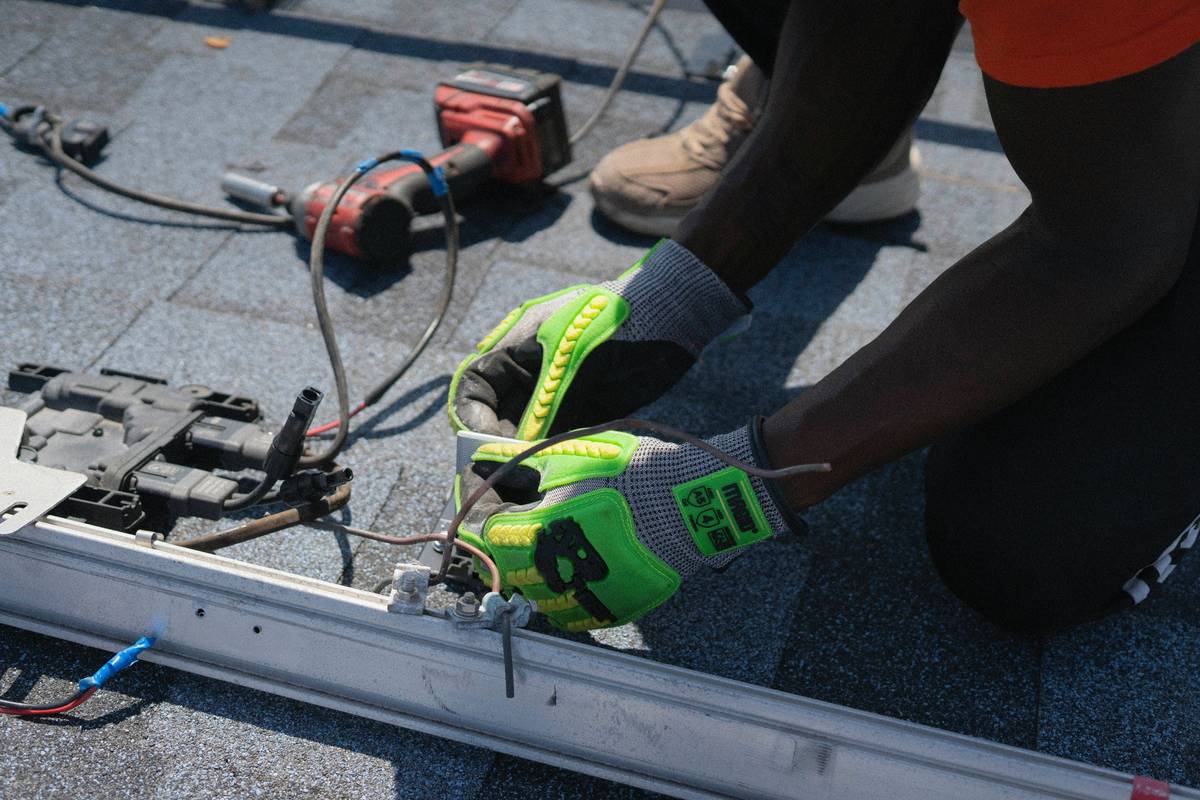
This phase includes mounting rails, grounding, wiring, and integrating with the grid. Every connection must meet NEC Article 690 standards.
7. Test, Inspect, and Commission
After passing city inspection, conduct IV curve tracing and thermal imaging to verify performance. Only then should the system go live.
Top Tips & Best Practices
- Avoid this terrible tip: “Just copy what the competitor did.” Every site is unique—what works for one building may fail on yours due to microclimate, usage patterns, or utility rate structures.
- Monitor performance in real time using platforms like Enphase or SolarEdge. A 5% output drop could signal a fault needing immediate attention.
- Pair your system with battery storage if your utility charges demand fees—this can slash bills even further.
- Review your property’s interconnection agreement carefully. Some utilities cap export limits, affecting ROI calculations.
And please—stop pretending racking systems don’t matter. I once saw a crew use residential-grade mounts on a 20,000 sq ft warehouse roof. Wind uplift tore three panels off within six months. Commercial solar panel construction demands commercial-grade hardware. Period.
Real-World Case Studies
A logistics company in Arizona installed a 250 kW system across two distribution centers in 2023. After rigorous site prep and choosing a local NABCEP-certified installer, the project qualified for the full 30% federal ITC. According to their annual report, they now save $48,000 yearly on electricity and reduced grid dependence by 82%. Source data aligns with findings from the U.S. Department of Energy’s Solar Energy Technologies Office.
Contrast that with a small office complex in Ohio that cut corners on engineering review. Their system underperformed by 22%, and repairs cost more than the original savings. Don’t be the cautionary tale.
Frequently Asked Questions
How long does commercial solar panel construction typically take?
Most projects take 3–6 months from design to activation, depending on permitting, utility interconnection timelines, and system size. Larger installations may require additional grid studies.
Are there tax incentives for commercial solar in 2024?
Yes. The Inflation Reduction Act extended the federal Investment Tax Credit (ITC) at 30% through 2032. Additional state rebates may apply—check DSIRE (Database of State Incentives for Renewables & Efficiency) for localized programs.
Can my roof support a solar array?
Most modern commercial roofs can, but a structural engineer must confirm load capacity. Flat roofs often use ballasted mounts; sloped roofs need penetrating attachments.
What maintenance is required after installation?
Minimal—typically annual cleaning and biannual inspections. Most issues are detected remotely via monitoring software.
How do I choose a reliable contractor?
Verify licenses, insurance, and NABCEP certification. Ask for references from similar-scale projects. Review their warranty terms carefully—we outline our standards transparently on our About Us page.
Does weather affect commercial solar panel performance?
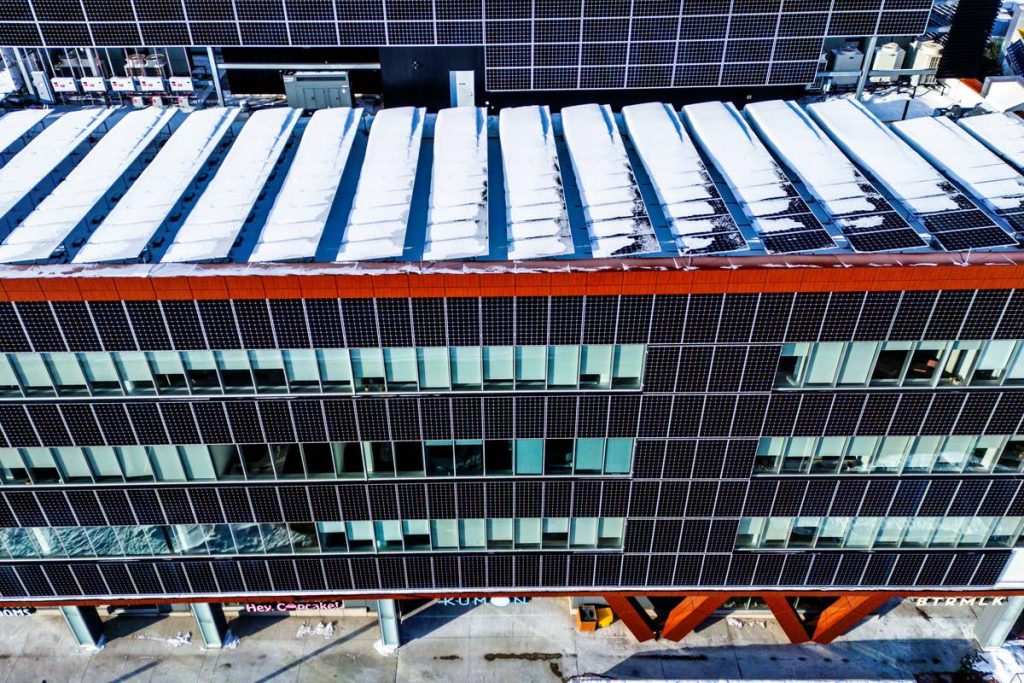
Solar panels work in cloudy or cold conditions—often more efficiently than in extreme heat. However, prolonged snow cover or heavy dust can reduce output temporarily.
Ready to transform your property with smart, sustainable power? Contact us today for a no-pressure consultation. And remember: your data stays protected—we never share details without consent, as outlined in our Privacy Policy.
Final thought: Sunlight is free. Capturing it wisely? That’s where the real profit lives.