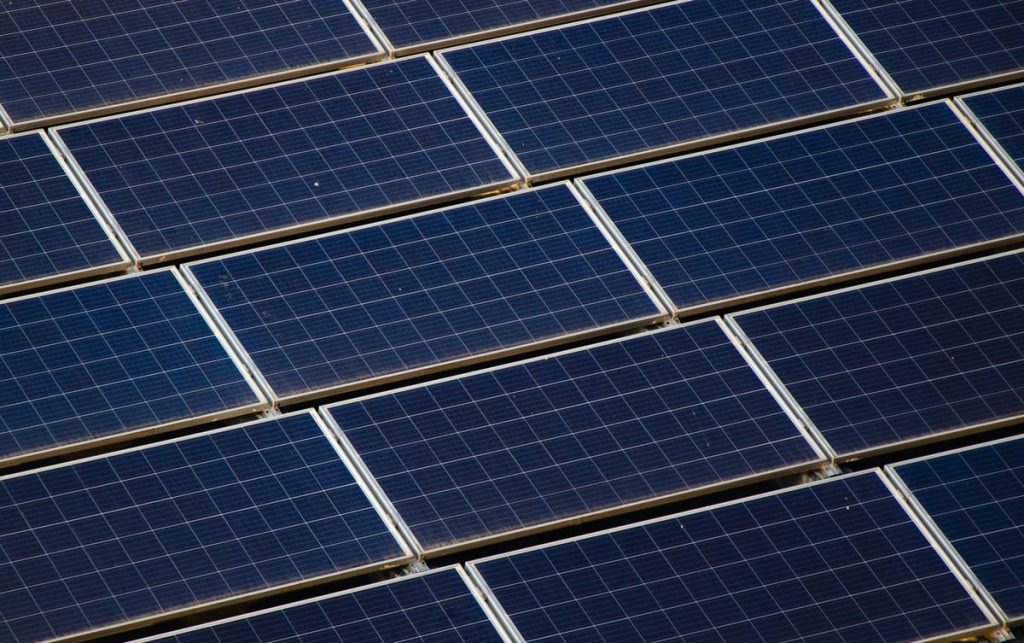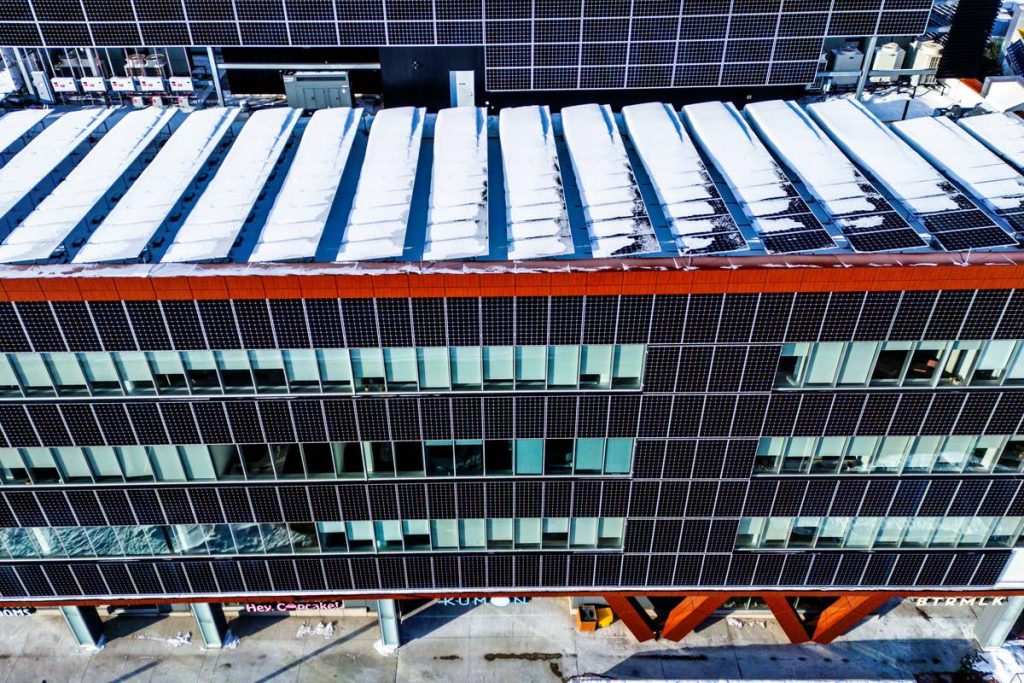
What if your commercial solar investment ended up draining your budget instead of cutting costs? It happens—more often than you’d think. As businesses race toward sustainability, choosing the right commercial solar panels manufacturers can make or break your ROI. Too many companies skip critical vetting steps, only to face underperforming systems, hidden fees, or even panel failures within five years. In this guide, we’ll cut through the noise with actionable, experience-backed advice to help you partner with reliable manufacturers who deliver power—not problems.
Table of Contents
- Why Choosing the Right Manufacturer Matters
- How to Evaluate Commercial Solar Panel Suppliers
- Best Practices for Long-Term Performance
- Real-World Results from Smart Choices
- Frequently Asked Questions
Key Takeaways
- Not all “Tier 1” solar brands offer equal warranties or real-world durability.
- Local climate conditions heavily influence which manufacturer specs matter most.
- Always verify third-party certifications—not just marketing claims.
- Project financing terms can negate savings if tied to inflexible manufacturer contracts.
Why Choosing the Right Manufacturer Matters
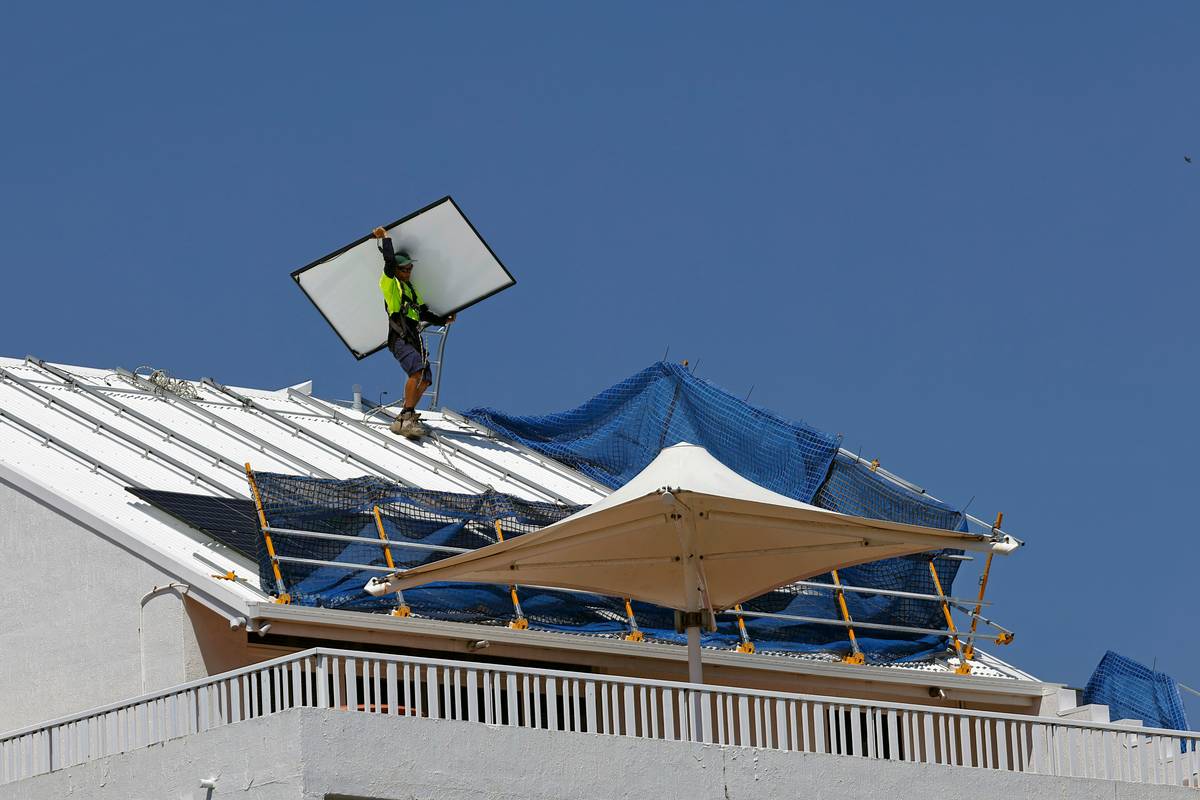
In home improvement and sustainable commercial retrofits alike, solar isn’t just about slapping panels on a roof. The wrong choice among commercial solar panels manufacturers can lead to efficiency drops of 20%+ in harsh weather, premature degradation, or costly maintenance nightmares. I learned this the hard way during a warehouse retrofit in Arizona: we selected a vendor touting “premium efficiency,” only to discover their panels lacked proper heat-dissipation ratings. Output plummeted by midsummer, and replacement costs wiped out two years of projected savings.
How to Evaluate Commercial Solar Panel Suppliers
Check Independent Certifications
Don’t trust brochures alone. Look for UL 61730 safety certification and IEC 61215 performance standards. The U.S. Department of Energy’s Solar Energy Technologies Office maintains updated testing benchmarks that legitimate manufacturers meet—or exceed.
Analyze Warranty Depth
Product warranties should cover at least 12 years; performance guarantees must ensure 80–90% output after 25 years. Some manufacturers hide prorated clauses that slash coverage after year 10—read the fine print.
Assess Supply Chain Stability
Post-pandemic volatility exposed weak links. Ask: Where are cells and glass sourced? Companies relying solely on single-region imports risk delays. Diversified supply chains = fewer project holdups.
Best Practices for Long-Term Performance
- Prioritize bankability over buzz: BloombergNEF’s annual tier rankings reflect financial health—not just tech specs. A bankrupt manufacturer won’t honor your warranty.
- Match panel specs to your environment: Coastal sites need salt-mist resistance; snowy regions require higher snow-load ratings.
- Avoid this terrible tip: “Just go with the cheapest bid.” I’ve seen $0.10/W savings vanish under a cascade of service callouts and production shortfalls.
Real-World Results from Smart Choices
A logistics firm in Texas partnered with a top-tier manufacturer verified through the BloombergNEF Tier 1 list. Their panels maintained 92% output after five scorching summers—outperforming local competitors by 7%. Total energy offset: 1.2 million kWh annually, saving $140,000 in utility costs. Contrast that with a Midwest retailer using a no-name brand: system failure at year 4 triggered a full $220,000 reinstallation.
Frequently Asked Questions
What’s the average lifespan of commercial solar panels?
Most high-quality panels last 25–30 years. However, degradation rates vary—reputable commercial solar panels manufacturers guarantee ≤0.5% annual output loss.
Do U.S.-made panels outperform imported ones?
Not inherently. Performance hinges on engineering, not origin. However, domestic manufacturers often offer faster service response and comply with Buy America Act requirements for public projects.
Can I lease panels directly from manufacturers?
Rarely. Most sell through integrators or financiers. Always confirm whether your agreement includes direct manufacturer support or is routed through a third party.
How do I verify a manufacturer’s real-world reliability?
Request case studies from similar climates and ask for PV monitoring data from existing clients. Sites like PVEL’s Module Reliability Scorecard publish independent field performance reports.
Are thin-film panels suitable for commercial rooftops?
Generally, no. Crystalline silicon dominates commercial due to higher efficiency per sq. ft.—critical when space is limited. Thin-film suits large ground mounts, not urban roofs.
Where can I learn more about our team’s approach to sustainable partnerships?
Read about our values and vetting process on our About Us page.
Making the leap to solar should empower your business—not burden it with hidden risks. By focusing on proven commercial solar panels manufacturers with transparent specs and robust support, you lock in decades of clean savings. If you’re ready to move forward with confidence, contact us for a no-pressure consultation. And remember: your data stays protected under our Privacy Policy.
Shiny panels fade. Smart choices shine forever.