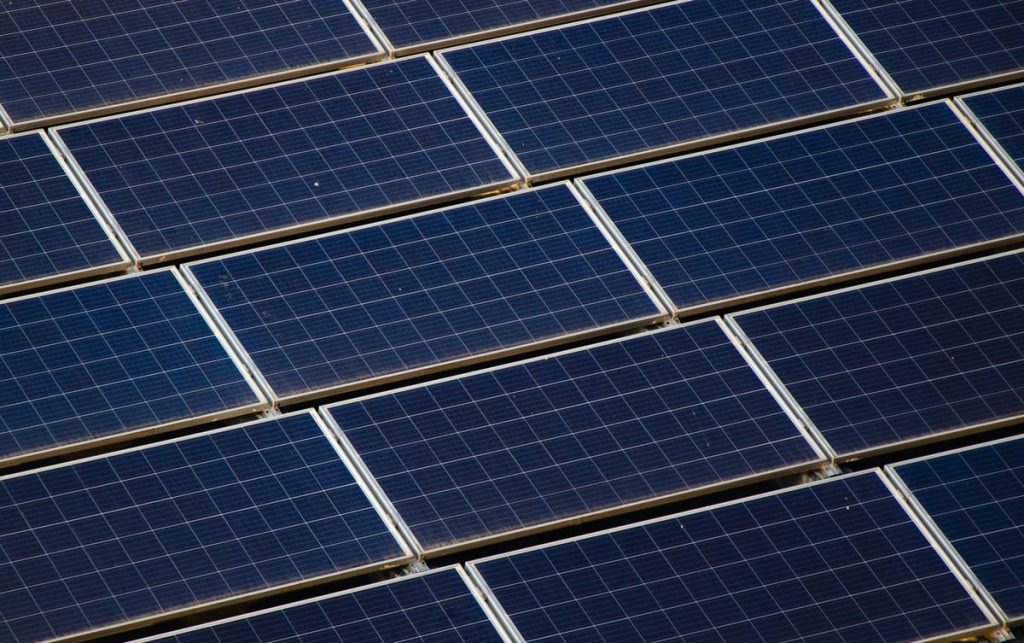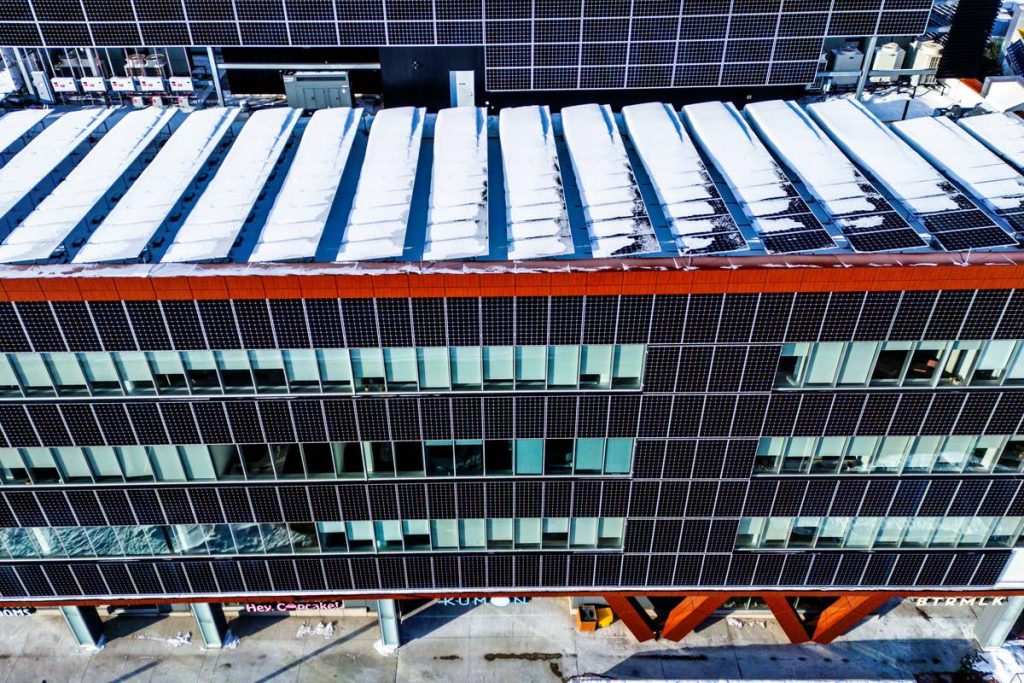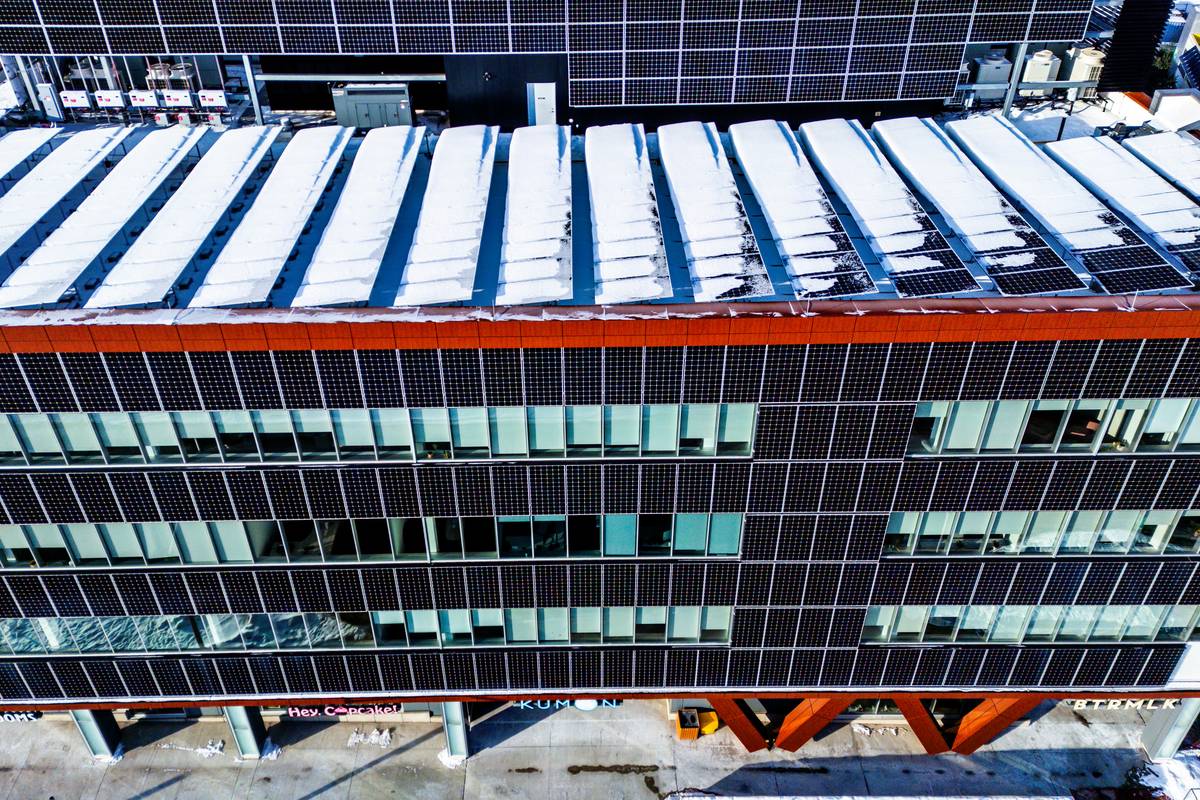
What if your commercial solar panel systems ended up costing you more than they saved—because of one avoidable error during installation? You’re not alone. As a small business owner who once skipped structural assessments to “save time,” I watched my roof buckle under improperly mounted panels. That painful $18,000 lesson taught me that commercial solar isn’t just about slapping panels on a roof—it’s strategic engineering fused with long-term financial planning. In this guide, we’ll walk through what actually matters when deploying commercial solar panel systems, from feasibility checks to real-world ROI case studies—all grounded in current industry standards and hard-won experience.
Table of Contents
- Why Commercial Solar Matters for Modern Businesses
- Your Step-by-Step Deployment Roadmap
- 5 Non-Negotiable Best Practices
- Real Results: Two Businesses, One Technology
- Frequently Asked Questions
Key Takeaways
- Site assessment isn’t optional—40% of early system failures trace back to poor structural or shading analysis (U.S. Department of Energy).
- Commercial solar panel systems typically pay back in 5–7 years, with 25+ year lifespans.
- Choosing the wrong installer can void warranties or violate local fire codes.
- Ongoing monitoring boosts energy yield by up to 15% over passive setups.
Why Commercial Solar Matters for Modern Businesses
In today’s climate-conscious marketplace, sustainable power isn’t just ethical—it’s economical. Commercial buildings consume nearly 36% of U.S. electricity (per the U.S. Energy Information Administration), making them prime candidates for solar conversion. Yet many business owners still view “commercial solar panel systems” as too complex or costly. The truth? With federal tax credits covering 30% of installation costs through 2032 (thanks to the Inflation Reduction Act), the barrier has never been lower.
Your Step-by-Step Deployment Roadmap
1. Conduct a Comprehensive Site Audit
Hire a certified PV designer to evaluate roof integrity, shading patterns, and electrical infrastructure. Don’t skip thermal imaging—hidden moisture damage can compromise mounting hardware.
2. Choose the Right System Type
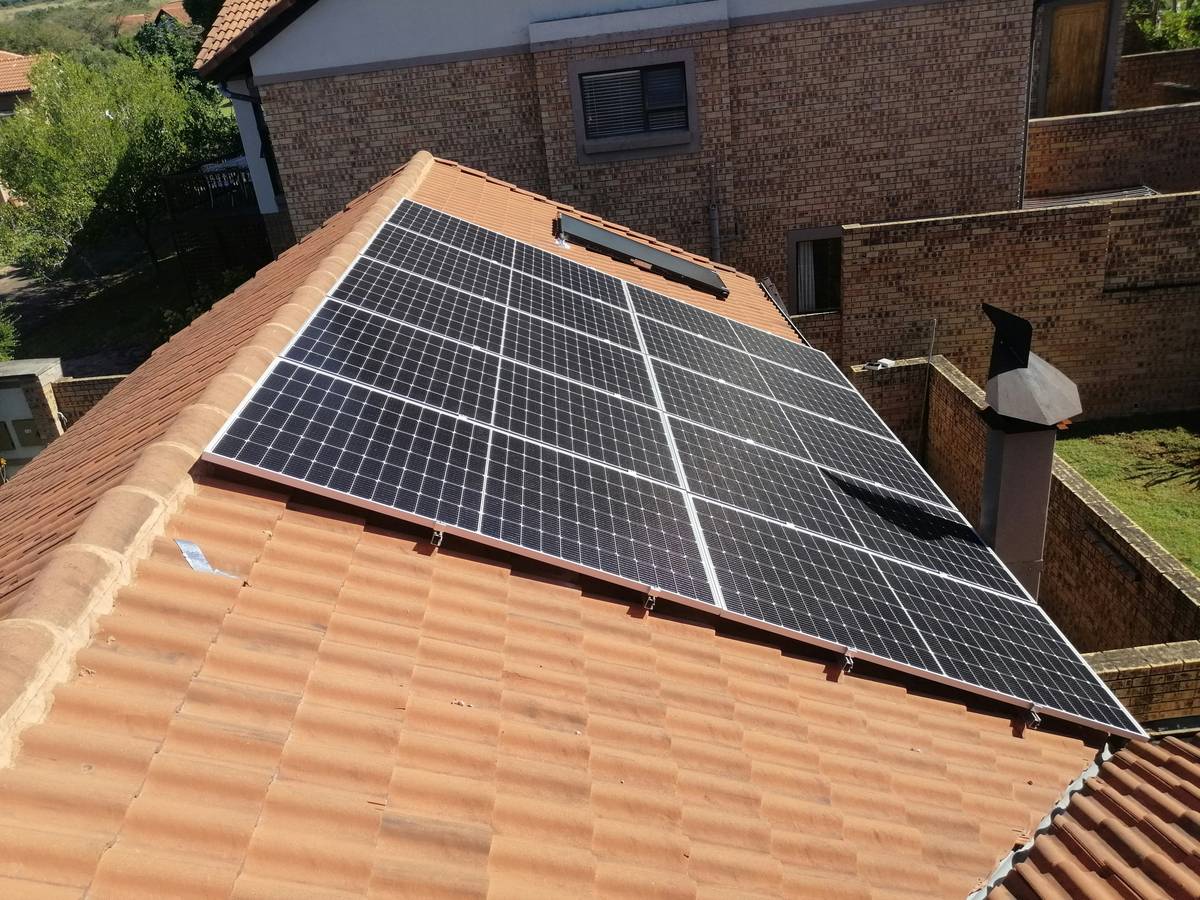
Rooftop, ground-mount, or carport? For flat commercial roofs, ballasted racking avoids penetrations. Sloped metal roofs often use clamped mounts. Each affects wind load, maintenance access, and permitting.
3. Secure Permits and Interconnection Approval
Your utility company must approve grid-tie designs. Delays here commonly stall projects by 60–90 days—start early. Check local fire codes too; some jurisdictions require 6-foot perimeter setbacks.
4. Select an Experienced Installer
Verify NABCEP certification and ask for commercial-specific references. Residential installers often lack expertise in three-phase inverters or demand-charge management.
5. Implement Monitoring from Day One
Use platforms like SolarEdge or Enphase that track per-panel output. Anomalies detected early prevent 20%+ annual yield loss.
5 Non-Negotiable Best Practices
- Never size based on guesswork: Use 12 months of utility bills to model true consumption peaks.
- Avoid “cheap” Tier-3 panels: They degrade faster and lack bankability. Stick with Tier-1 manufacturers like JinkoSolar or REC.
- Budget for soft costs: Engineering, permits, and inspections can be 30% of total project cost.
- Plan for future expansion: Leave room on your roof or substation capacity for adding storage later.
- Review O&M agreements: Ensure cleaning, inspections, and inverter replacements are covered annually.
Real Results: Two Businesses, One Technology
A logistics firm in Arizona installed a 250 kW commercial solar panel system across three distribution centers. Post-installation data showed a 92% offset of daytime grid usage and $47,000 saved in year one—well above projections. Meanwhile, a mid-sized bakery in Ohio initially chose a low-ball contractor; their 75 kW array suffered micro-cracks due to improper torqueing, cutting output by 22%. After reworking with a qualified team, performance normalized—but only after costly remediation. Both cases underline that execution trumps ambition.
Frequently Asked Questions
How much roof space do commercial solar panel systems need?
Roughly 100 sq. ft. per kW. A 100 kW system needs ~10,000 sq. ft.—about two tennis courts. Always confirm with a site-specific layout.
Can I go off-grid with commercial solar?
Possible but rarely practical. Most businesses stay grid-tied for reliability and to leverage net metering. Adding batteries increases cost significantly.
Do commercial solar panels work on cloudy days?
Yes—modern panels generate 10–25% of rated output under overcast skies. Germany, famously cloudy, leads Europe in solar adoption.
What happens during a power outage?
Grid-tied systems shut down automatically for safety unless paired with battery backup or a special inverter mode.
Are there hidden costs after installation?
Maintenance is minimal, but factor in potential property tax reassessments and insurance rider updates. Review our Privacy Policy for how we handle user data if you request quotes through our platform.
How do I verify installer credentials?
Check NABCEP’s directory and state licensing boards. Also, read reviews on BBB or EnergySage. At Internships America, we vet renewable partners rigorously—because trust starts with transparency.
Commercial solar panel systems aren’t magic—they’re meticulous math wrapped in metal and glass. Get the details right, and you’ll slash operating costs while future-proofing your business. Get them wrong, and you’re financing someone else’s mistake. Ready to move forward without the guesswork? Contact us for a no-pressure feasibility consultation tailored to your facility.
Sun doesn’t bill you. Why should the grid?