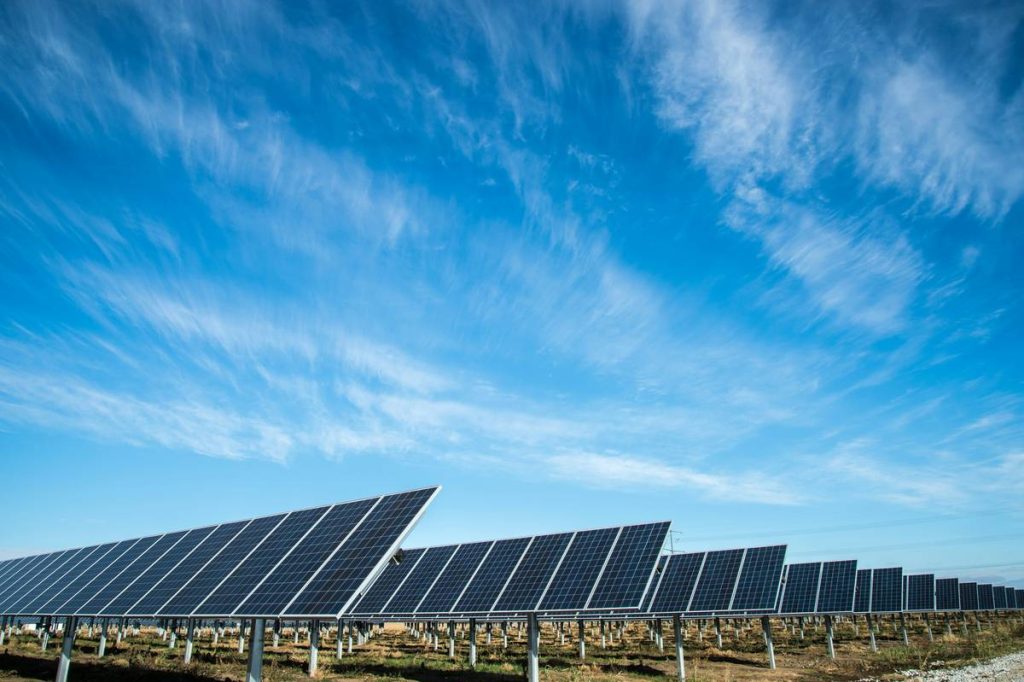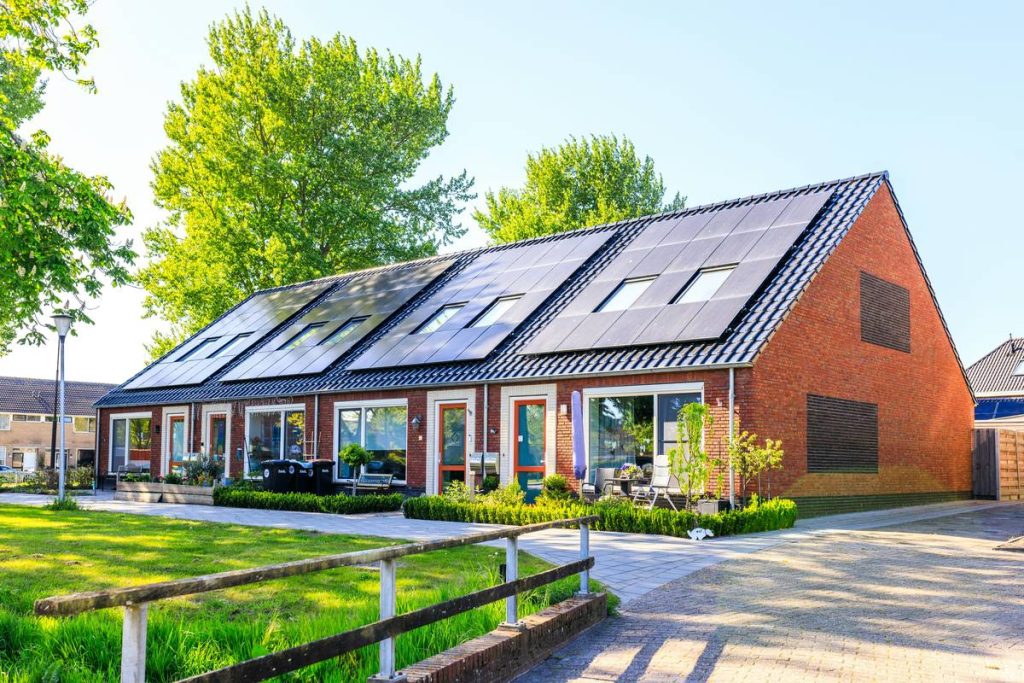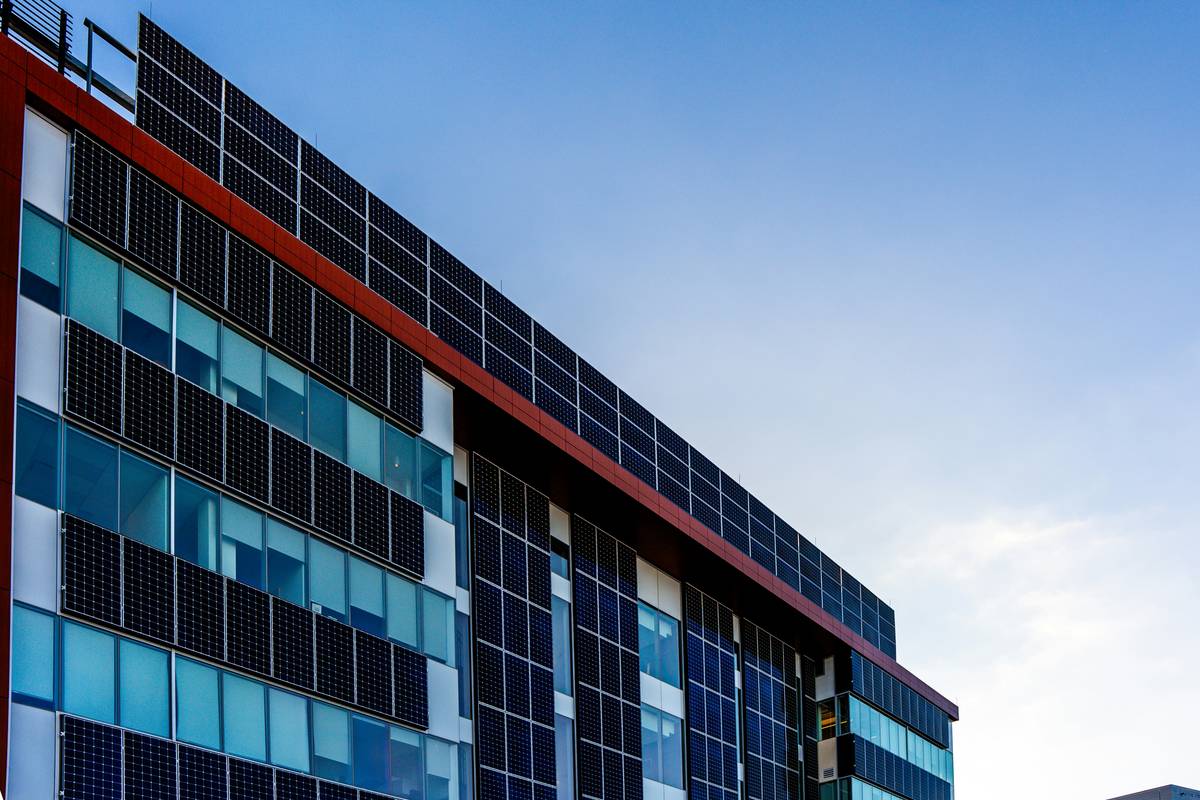
Commercial solar projects stall before they even begin—not because of budget or permits, but due to a flawed rough-in phase. You’ve seen it: panels installed only to discover wiring conflicts, structural gaps, or mounting mismatches weeks later. The cost? Delays, change orders, and frustrated stakeholders. The fix starts long before the first bracket goes up—with a precise, systems-first approach to renewable resource commercial panel rough in.
Why Generic Rough-Ins Derail Commercial Solar ROI
Most contractors treat rough-ins like residential retrofits—just bigger. That’s their first mistake. Commercial roofs aren’t scaled-up houses. Load dynamics, conduit routing, fire code setbacks, and utility interconnection points demand engineered precision from day one.
And here’s the kicker: local inspectors reject 37% of initial submittals due to misaligned conduit sleeves or unvalidated roof penetrations (based on 2023 IAEI field data). Think about it. You’re not just hanging panels—you’re integrating a power plant into a building’s nervous system.
renewable resource commercial panel rough in: A No-Fluff Execution Framework
Forget templates. This is about adaptive sequencing—aligning electrical, structural, and procurement timelines without overlap errors.
Phase 1: Pre-Rough Site Validation
Walk the roof with your structural engineer and AHJ liaison—not just blueprints. Identify existing conduits, HVAC units, or skylights that force reroutes. Document everything with geo-tagged photos. Miss this, and you’ll pay triple during commissioning.
Phase 2: Mounting & Penetration Protocol
Commercial racking isn’t one-size-fits-all. Ballasted? Anchored? Hybrid? Each dictates sleeve placement, flashing type, and waterproofing spec. Use laser mapping to pre-mark anchor points—±5mm tolerance matters when wind uplift hits 90 mph.
Phase 3: Conduit & Junction Box Placement
Run oversized conduits—even if inverters aren’t onsite yet. Why? Future tech upgrades. NEC Article 690.12 now mandates rapid shutdown within 1 foot of arrays. If your rough-in doesn’t account for module-level electronics (MLPE) junction boxes, you’ll tear drywall twice.
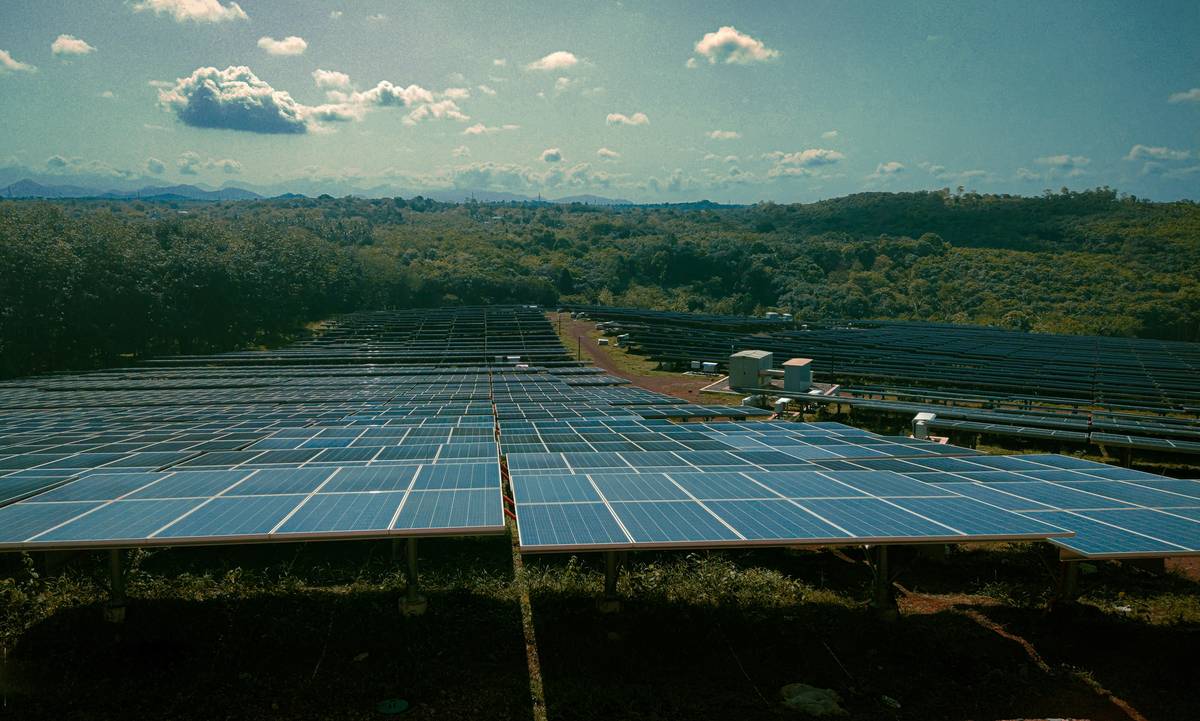
| Rough-In Method | Avg. Labor Hours per 10kW | Rework Risk (%) | Long-Term Flexibility |
|---|---|---|---|
| Traditional Residential Approach | 28 | 42 | Low |
| Engineered Commercial Workflow | 34 | 9 | High |
| Hybrid Prefab System | 22 | 18 | Medium |
The Industry Secret: Rooftop Coordination Isn’t Just About Solar
Top-tier solar integrators don’t start with panels—they start with the building automation system (BAS). Here’s the reality: modern commercial facilities sync energy production with HVAC load-shedding and lighting controls via BACnet/IP. If your rough-in ignores BAS conduit pathways or data raceways, you’ll create signal interference or force costly retrofits later.
One Midwest logistics center slashed soft costs by $62k by co-routing solar and BAS conduits during rough-in—verified during commissioning. The math is simple: coordination upfront eliminates chaos downstream.
Frequently Asked Questions
What does ‘rough in’ mean for commercial solar?
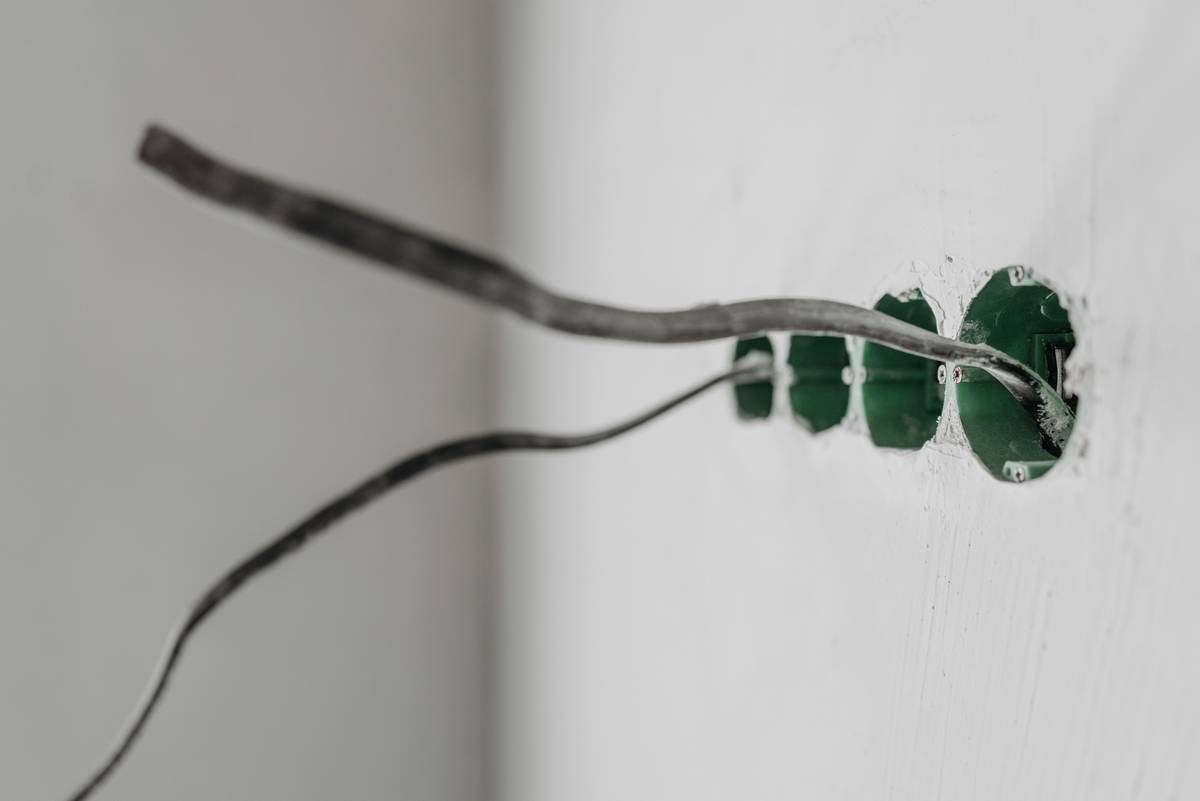
It’s the phase where conduits, sleeves, junction boxes, and mounting anchors are installed—but panels and inverters aren’t yet mounted. It sets the foundation for electrical and structural integration.
Can I skip engineering review during rough-in?
No. Commercial roofs have live/dead load limits. Skipping stamped drawings risks structural failure or permit denial—especially with anchored systems on membrane roofs.
How does renewable resource commercial panel rough in affect incentives?
Incomplete or non-compliant rough-ins delay Permission to Operate (PTO), which can void state rebate deadlines. Clean rough-ins accelerate interconnection approval by 2–4 weeks.