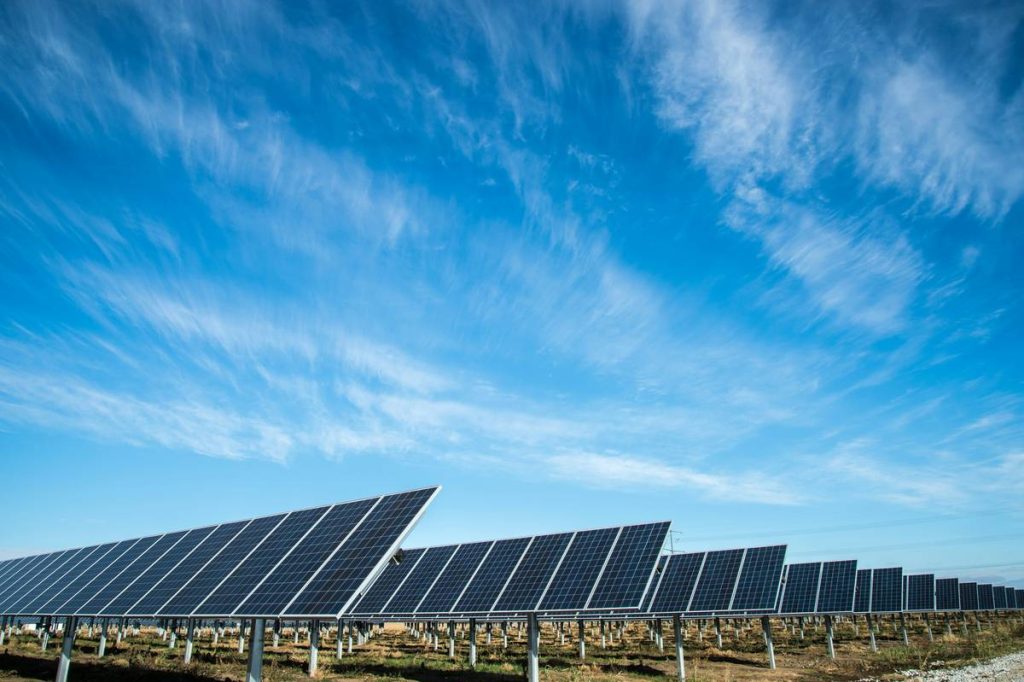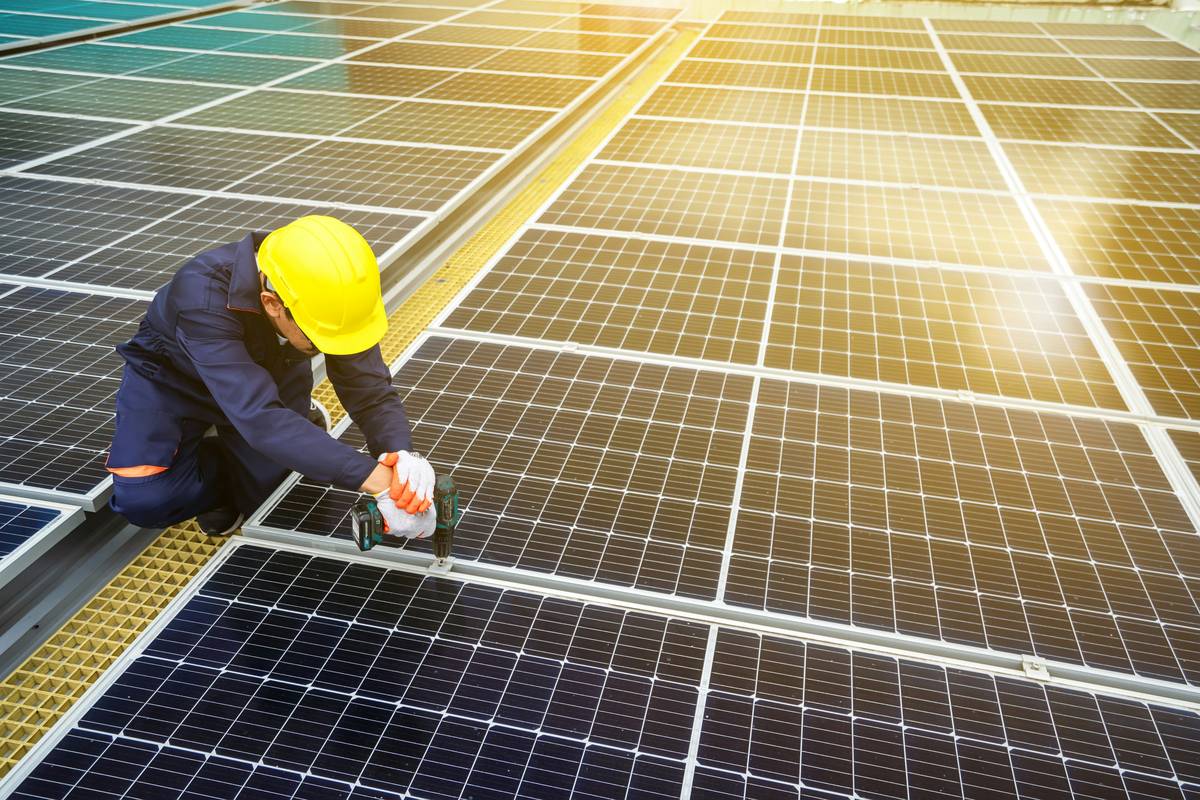
The demand for commercial solar is exploding—but certified installers are nowhere near keeping up. You’ve probably heard “just get trained” as the solution. But here’s the catch: generic courses churn out hopefuls who can’t wire a combiner box under real-world pressure. The gap isn’t knowledge—it’s context. That’s where proper, field-tested training to install solar panels changes everything.
Most Solar Training Programs Are Built for Classrooms—Not Rooftops
They teach theory through slides and multiple-choice quizzes. Real installations demand spatial reasoning, conduit bending on uneven surfaces, and troubleshooting shade patterns that no simulator replicates. And OSHA compliance? Often reduced to a PDF checklist.
Think about it: Would you trust a pilot who only flew in a flight sim? Exactly.
Your Step-by-Step Path to Becoming a Commercial Solar Installer
Start With Electrical Fundamentals—Not Panels
You can memorize panel specs all day. But if you don’t understand grounding, overcurrent protection, or NEC Article 690, you’ll fail inspections—or worse, create fire hazards. Master residential electrical systems first. Then scale up.
Seek Apprenticeships Over Certificates Alone
A NABCEP PV Installation Professional credential looks great. But without 200+ hours shadowing crews on tilted carports or flat commercial roofs, you’re just paper-ready. Look for programs tied to active EPC (Engineering, Procurement, Construction) firms.
Specialize Early in Commercial-Scale Systems
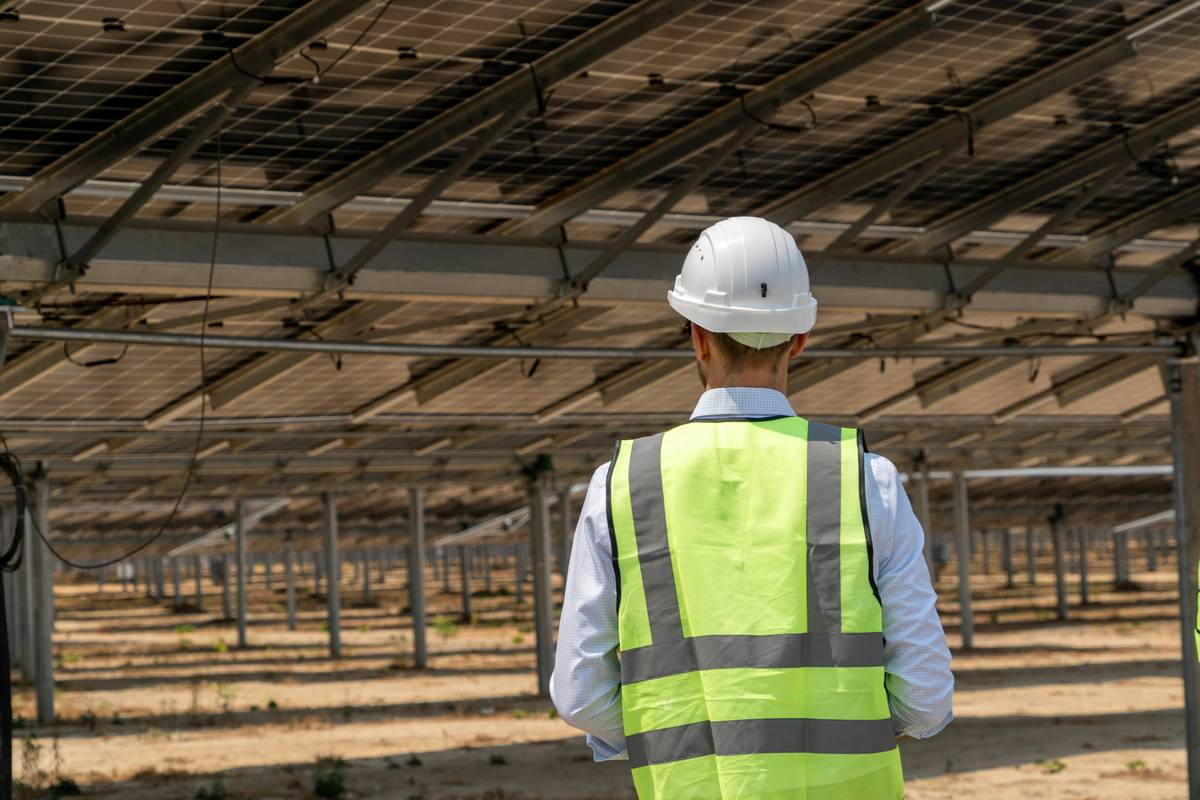
Residential solar uses microinverters or string inverters on sloped shingle roofs. Commercial? Think 500kW+ arrays, central inverters, ballasted racking on membrane roofs, and interconnection complexities with utility switchgear. Different beast entirely.
| Training Approach | Time to Job-Ready | Avg. Cost | Real-World Skill Transfer |
|---|---|---|---|
| Online-only course | 4–8 weeks | $300–$800 | Low — minimal hands-on |
| Community college certificate | 3–6 months | $1,500–$4,000 | Moderate — lab time limited |
| Union or contractor apprenticeship | 6–18 months | $0–$2,000 (often paid while learning) | High — daily site exposure |
The Industry Secret: It’s Not About Panels—It’s About Paperwork
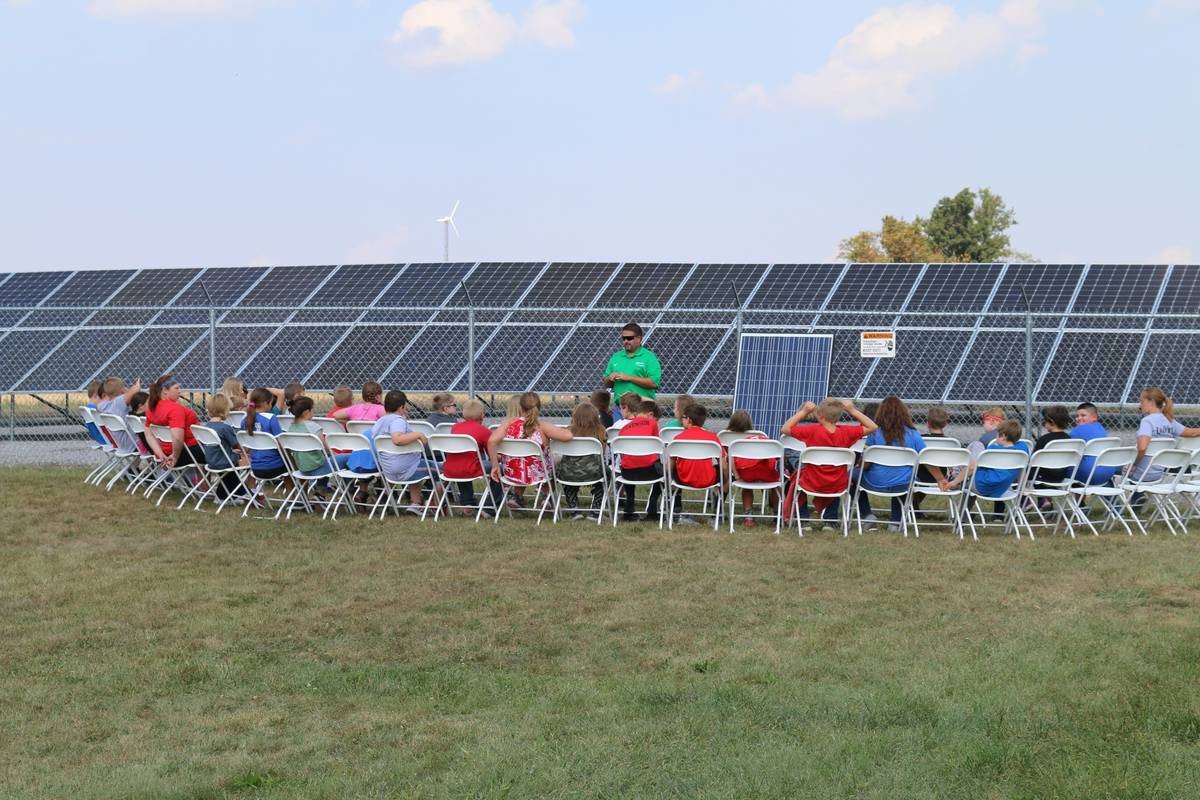
Here’s what nobody tells you: On most commercial jobs, 70% of delays come from permitting errors, incorrect structural load calcs, or failed utility interconnection apps. The best installers I know spend as much time in Bluebeam reviewing stamped drawings as they do tightening bolts.
So yes—learn torque specs. But also master AHJ (Authority Having Jurisdiction) submittal requirements, utility tariff structures, and how to read a single-line diagram like a novel. That’s what separates journeymen from foremen.
Frequently Asked Questions
Do I need an electrician license to install commercial solar panels?
In most states, yes—for systems over a certain size (often 10kW). Even if not legally required, contractors won’t hire you without one. Start with a journeyman electrician path if you’re serious.
How long does effective training to install solar panels take?
Real readiness takes 6–12 months of blended learning: classroom basics + daily field work. Speed matters less than depth—rushed training leads to costly rework.
Can I start with residential and move to commercial later?
Yes—but expect a steep learning curve. Commercial involves higher voltages, complex grounding, and team coordination. Use residential as a foundation, not the finish line.