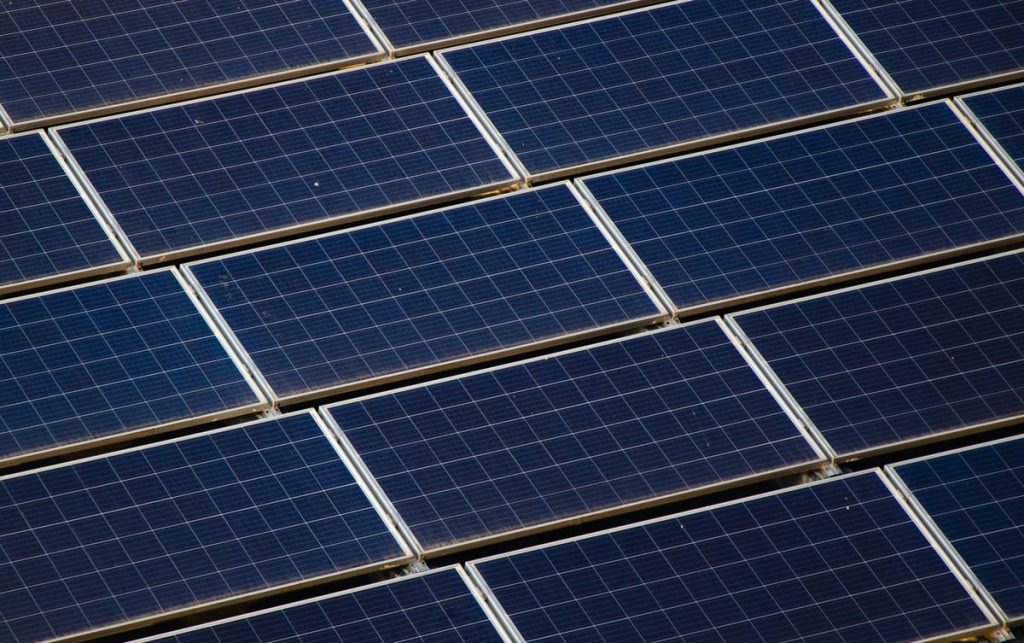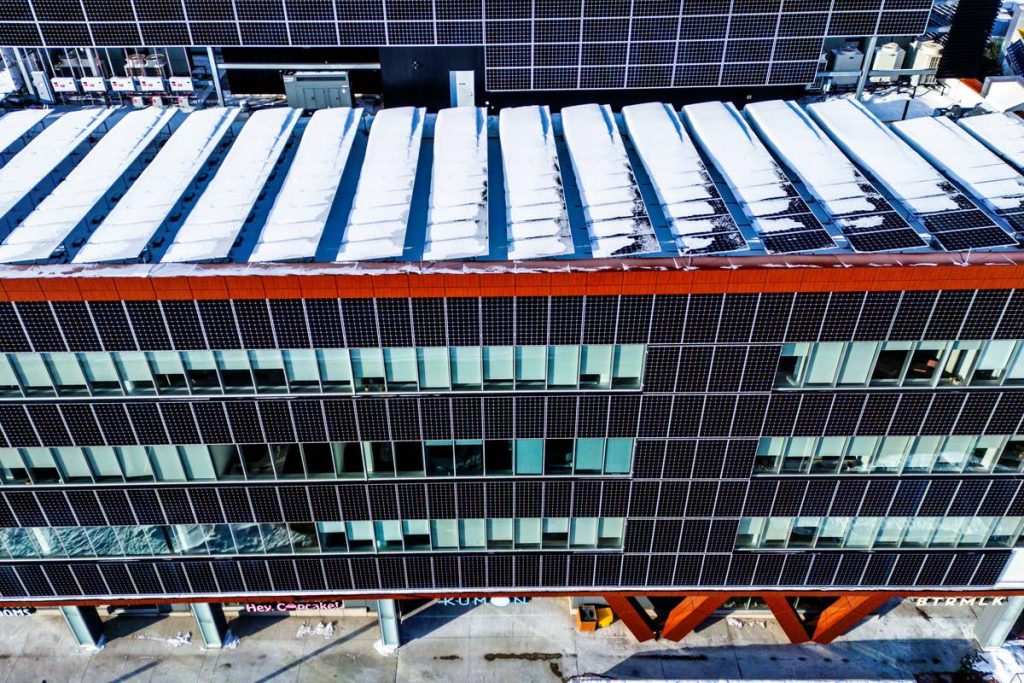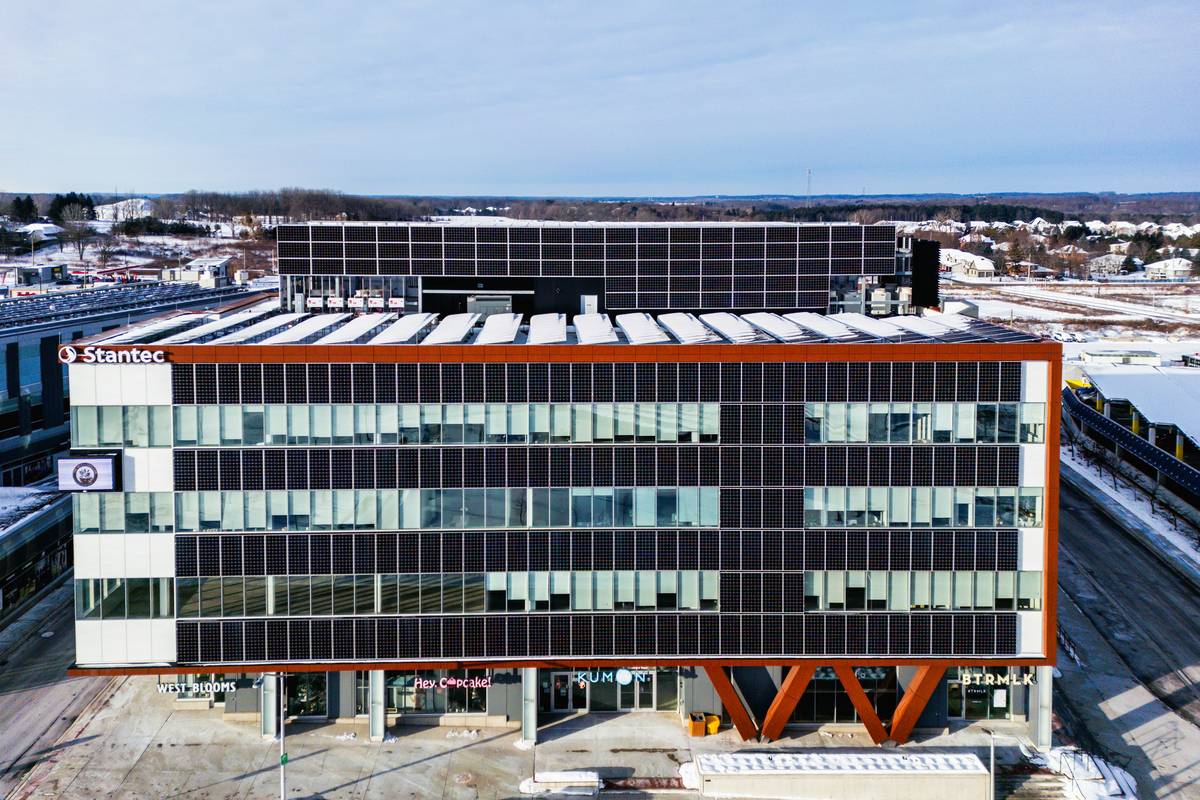
What if your commercial roof could slash energy bills by 40%—or more—while boosting your brand’s sustainability cred? For business owners in the home improvement and renewable energy space, solar panels for commercial premises aren’t just eco-friendly; they’re a strategic investment. Yet too many installations flop due to poor planning, mismatched equipment, or hidden structural oversights. In this guide, we’ll walk through exactly how to get it right—the first time—based on real-world lessons (including one painfully expensive mistake I made early in my solar consulting days).
Table of Contents
- Why Commercial Solar Isn’t Just “Bigger Residential”
- Your 7-Step Commercial Solar Installation Checklist
- 5 Best Practices Most Contractors Won’t Tell You
- Real Results: How Businesses Cut Costs with Solar
- Frequently Asked Questions
Key Takeaways
- Commercial solar systems require structural, electrical, and financial analysis beyond residential scale.
- Skipping a roof integrity assessment can lead to six-figure repair costs post-installation.
- Federal tax credits (like the Investment Tax Credit) can cover up to 30% of system costs through 2032.
- Energy usage patterns—not just square footage—dictate panel layout and battery needs.
Why Commercial Solar Isn’t Just “Bigger Residential”
Here’s the hard truth: slapping extra panels on a warehouse roof without assessing load capacity is like building a second story on a shed—you might not notice the sag until it’s too late. Early in my career, I advised a mid-sized HVAC contractor to install solar panels for commercial premises on their metal-roofed facility without a proper engineering review. Six months later, thermal expansion caused mounting brackets to warp, cracking three panels and voiding part of the warranty. Lesson learned: commercial projects demand enterprise-grade due diligence.
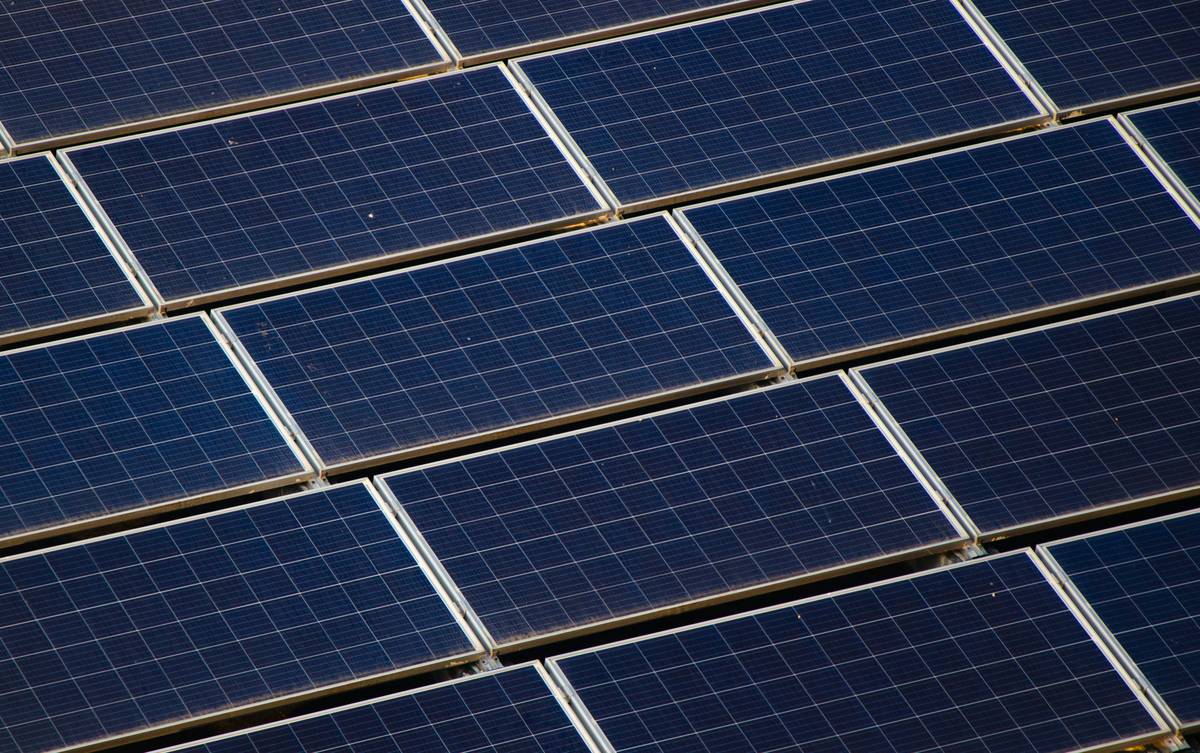
Unlike homes, commercial buildings often have flat roofs, shaded HVAC units, or older electrical infrastructure that can’t handle bidirectional flow. According to the U.S. Department of Energy, over 60% of commercial solar underperformance stems from mismatched inverters or suboptimal tilt angles—not panel quality.
Your 7-Step Commercial Solar Installation Checklist
1. Audit Your Energy Consumption
Pull 12 months of utility bills. Identify peak demand periods and seasonal spikes. A restaurant with high summer AC use needs different battery backup than a data center running 24/7.
2. Assess Roof Structural Integrity
Hire a licensed structural engineer. Flat roofs may need ballasted mounts; sloped roofs require穿透-style attachments. Never assume your roof can handle 4–6 lbs per sq ft extra load.
3. Choose the Right Panel Type
Monocrystalline panels offer higher efficiency (20%+) for limited roof space. Polycrystalline may suffice for sprawling facilities with ample area.
4. Size Your System Correctly
Aim to offset 70–90% of usage—not 100%. Going “net-zero” often isn’t cost-effective due to diminishing returns and utility interconnection limits.
5. Secure Permits Early
Commercial permits take longer. Check local zoning laws and fire codes—many jurisdictions require 36-inch clearance pathways around arrays.
6. Select a Reputable Installer
Verify NABCEP certification and ask for commercial references. Residential experience ≠ commercial competence.
7. Claim Incentives Immediately
The federal ITC allows 30% tax credit for systems installed by 2032 (SEIA). Many states add rebates or accelerated depreciation.
5 Best Practices Most Contractors Won’t Tell You
- Meter your sub-loads: Install submeters on heavy equipment to isolate savings.
- Avoid “terrible tip” #1: Don’t prioritize cheapest bid over lifecycle cost. A $0.03/W difference now could mean $15k+ in maintenance later.
- Future-proof wiring: Run conduit for 20% extra capacity—you’ll thank yourself during EV charger additions.
- Monitor remotely: Use platforms like SolarEdge or Enphase for real-time performance alerts.
- Update insurance: Notify your provider—most policies automatically cover solar once properly installed.
Real Results: How Businesses Cut Costs with Solar
A Denver-based plumbing supply warehouse installed 186 kW of solar panels for commercial premises in 2022. After claiming the ITC and Colorado’s state rebate, their net system cost was $298,000. Their monthly electric bill dropped from $4,200 to $850—a 79% reduction. Payback period? Just 4.2 years.
Similarly, a chain of three car washes in Arizona used commercial solar + battery storage to eliminate demand charges entirely. Their ROI clocked in at 5.1 years despite high upfront costs—proving location and rate structure matter as much as sunshine.
Frequently Asked Questions
How much do solar panels for commercial premises cost?
Typical costs range from $2.00–$3.50 per watt before incentives. A 100-kW system averages $200,000–$350,000 pre-tax credit.
Can leased commercial property go solar?
Yes—with landlord consent. Consider a Power Purchase Agreement (PPA) where a third party owns/maintains the system while you buy power at a fixed rate.
Do commercial panels last longer than residential?
No—they use similar technology. Both typically carry 25-year performance warranties, though commercial mounts often endure harsher wind loads.
What’s the biggest mistake businesses make?
Ignoring shading analysis. A single vent stack casting afternoon shadow can reduce output by 15–20% annually.
Ready to turn your roof into a revenue-generating asset—not just overhead? Contact us for a no-pressure feasibility review. Learn more about our mission in About Us, and rest assured your data stays secure per our Privacy Policy.
Remember: the sun doesn’t charge rent. But your utility does—every single day.