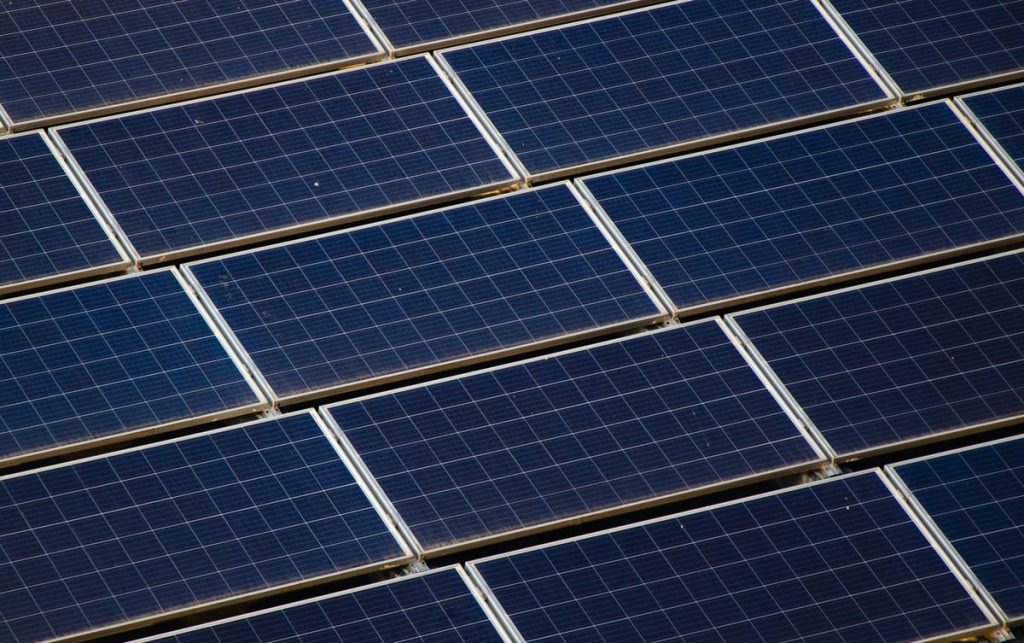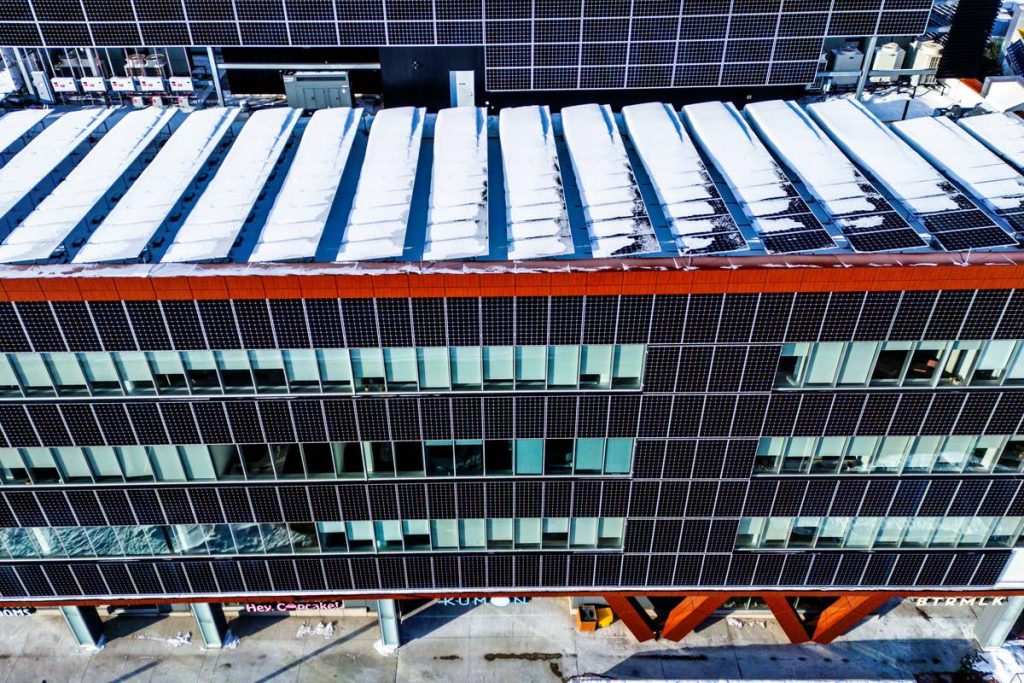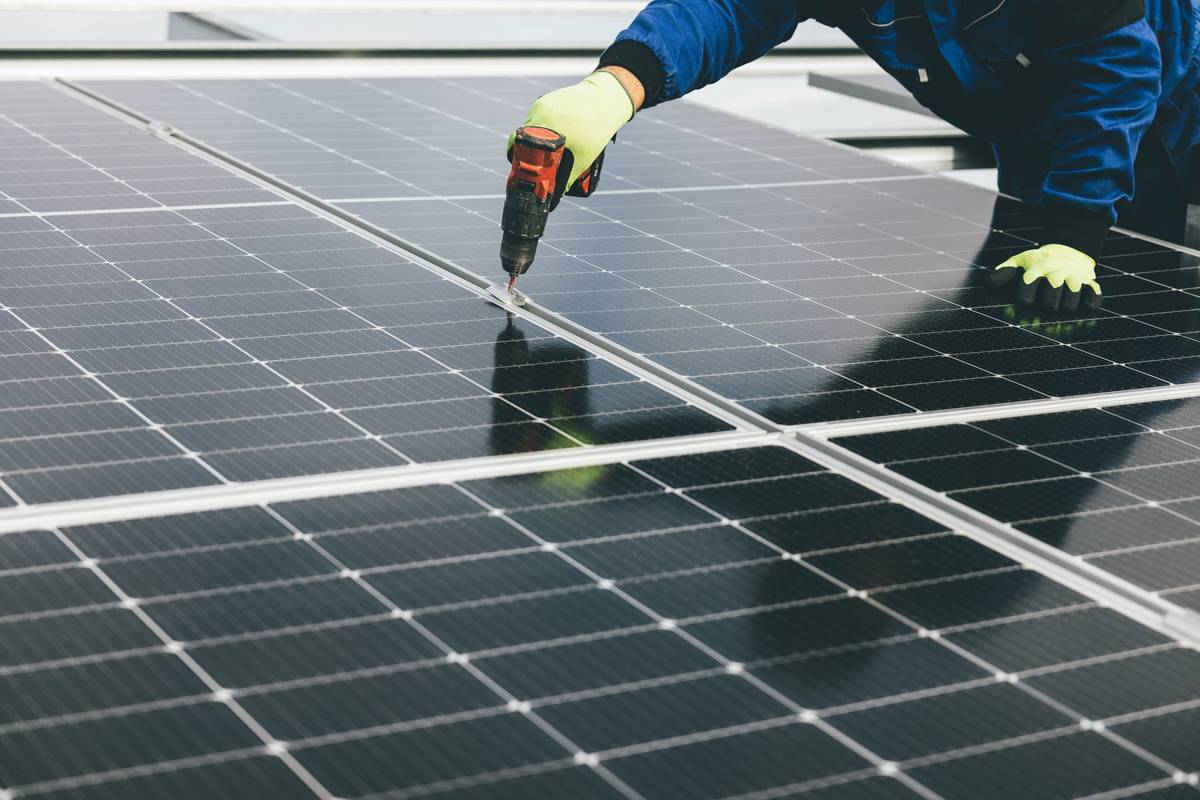
Thinking about slashing your business electricity bills with renewable energy—but terrified of wasting thousands on a poorly planned solar setup? You’re not alone. In the UK, commercial solar adoption has surged by over 40% since 2020 (according to UK Department for Energy Security and Net Zero), yet countless SMEs still fall into avoidable traps: undersized arrays, dodgy contractors, or systems that barely offset grid reliance. This guide cuts through the noise with battle-tested advice—plus one painfully personal blunder I made early in my sustainability consulting days—to help you deploy commercial solar panels UK smartly, legally, and profitably.
Table of Contents
- Why Commercial Solar UK Matters for Your Bottom Line
- Step-by-Step Guide to Installing Your System
- Best Practices for Maximum ROI
- Real-World Case Studies & Results
- Frequently Asked Questions
Key Takeaways
- UK businesses can cut electricity costs by 30–70% with properly sized commercial solar installations.
- Skipping a structural roof assessment is the #1 cause of post-installation delays and extra costs.
- Always verify MCS certification and VAT eligibility before signing with an installer.
- Smart export guarantees and battery integration significantly boost long-term savings.
Why Commercial Solar UK Matters for Your Bottom Line
For UK commercial property owners, energy volatility isn’t theoretical—it’s eating into margins. With non-domestic electricity rates hovering near £0.28/kWh in 2024, a well-designed solar array doesn’t just “green” your image; it stabilises operating expenses for 25+ years. But here’s where things go wrong: I once advised a logistics firm to rush-install commercial solar panels UK without vetting their roof’s load capacity. Result? The mounting system cracked two rafters during a storm, triggering insurance disputes and a six-week downtime. Lesson learned: feasibility comes before finance.
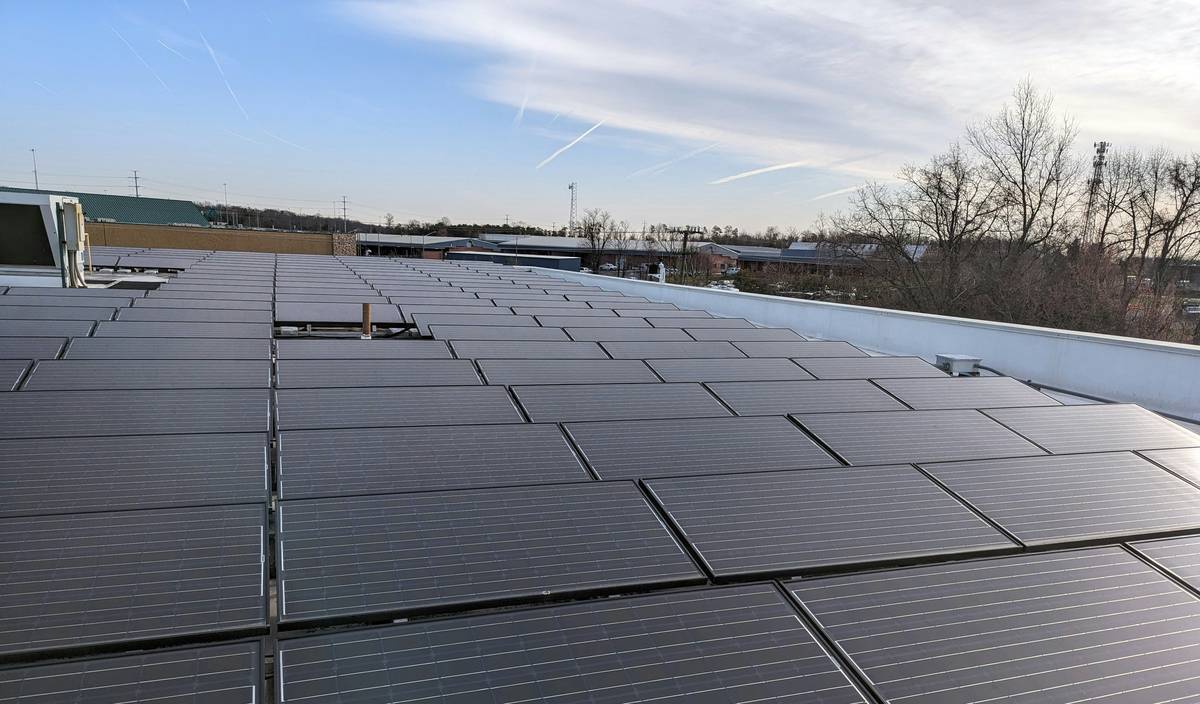
Step-by-Step Guide to Installing Your System
1. Conduct a Professional Energy Audit
Don’t guess your consumption—audit it. Pull 12 months of half-hourly meter data (via your supplier) to determine peak usage patterns. This dictates system size and prevents overspending on excess capacity.
2. Assess Roof Suitability
Hire a structural engineer to evaluate weight tolerance, orientation, and shading. South-facing roofs with 15°–40° pitch yield optimal output in the UK climate. Flat roofs need ballasted mounts; pitched roofs often use rail systems.
3. Choose an MCS-Certified Installer
The Microgeneration Certification Scheme (MCS) is non-negotiable. Only MCS-approved firms qualify for Smart Export Guarantee (SEG) payments and VAT relief under current UK policy. Verify credentials at mcscertified.com.
4. Finalise Financing & Permits
Most UK commercial installations don’t require planning permission (permitted development rights apply), but listed buildings or conservation areas may. Explore leasing, PPAs, or CAPEX models—our About Us page details our team’s hands-on experience advising on these structures.
Best Practices for Maximum ROI
- Pair with battery storage: Store excess daytime generation for evening use, reducing grid dependence further.
- Monitor performance daily: Use platforms like SolarEdge or Enphase to catch output drops early (e.g., from inverter faults or soiling).
- Avoid this terrible tip: “Just go bigger!” Oversizing beyond your actual load wastes capital and complicates grid connection agreements.
- Claim VAT correctly: Businesses can reclaim 100% VAT on solar installations if used for taxable activities—confirm with your accountant.
Real-World Case Studies & Results
A Bristol-based printing company installed a 98kW system across three rooftops in early 2023. Post-commissioning data showed:
- Annual generation: 86,500 kWh (meeting 68% of total demand)
- Electricity bill reduction: £21,300/year
- SEG income: £1,850/year from Octopus Energy
Total payback period: 5.2 years. Crucially, they avoided my rookie error—they commissioned a full structural survey beforehand, which flagged minor reinforcement needs upfront, preventing delays.
Frequently Asked Questions
How much do commercial solar panels UK cost per kW?
Typical installed costs range from £850 to £1,200 per kW for systems above 30kW. Larger arrays (100kW+) often drop below £800/kW due to economies of scale.
Do I need planning permission for commercial solar in the UK?
Generally no for rooftop systems under 1MW, unless your building is listed or in a conservation area. Ground-mounted systems over 9m height usually require approval.
Can I get VAT relief on commercial solar panels UK?
Yes—since April 2022, businesses installing qualifying solar systems can claim zero-rated VAT if the electricity is used for taxable supplies.
How long do commercial solar panels last in the UK climate?
Most Tier-1 panels carry 25–30 year performance warranties, guaranteeing at least 80–87% output after 25 years despite UK’s variable weather.
What’s the biggest mistake businesses make with commercial solar UK?
Choosing installers based solely on price. Cheap quotes often omit essential components (e.g., optimisers for shaded roofs) or use subpar inverters, leading to premature failure.
Where can I find trustworthy installers for commercial solar panels UK?
Start with the MCS database or Renewable Energy Assurance Ltd (REAL) Code members. Always request case studies from similar business types—and check references.
Ready to turn sunlight into serious savings—not headaches? Contact us today for a no-pressure consultation. And remember: your data stays secure—we never share details without consent, as outlined in our Privacy Policy.
Final thought: Don’t let perfect be the enemy of powerful. Even a modest solar setup beats waiting forever for “ideal” conditions.