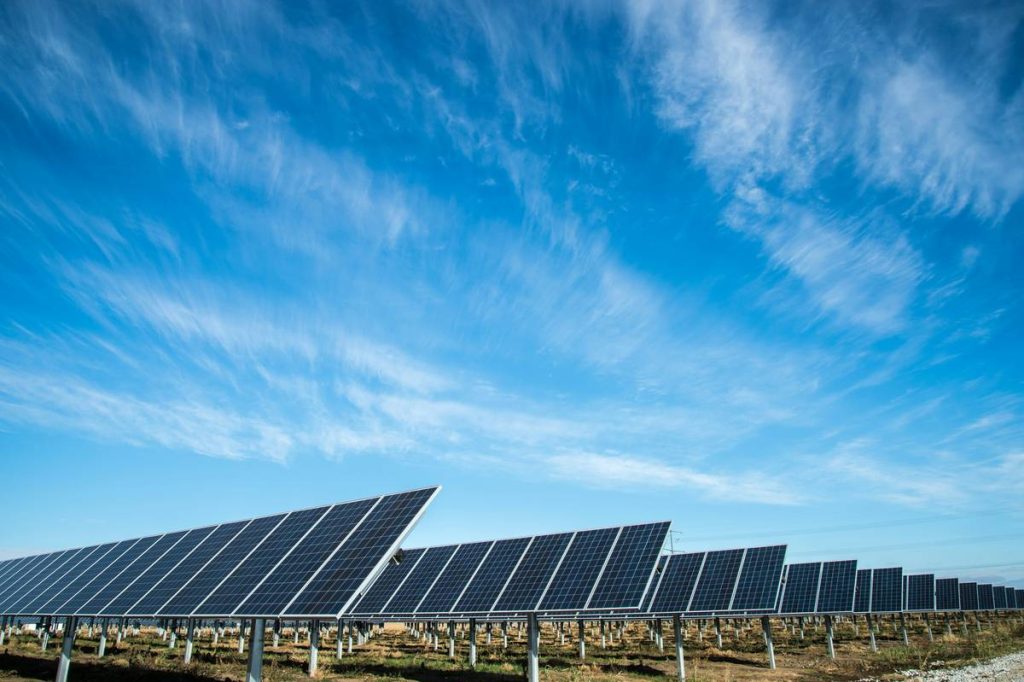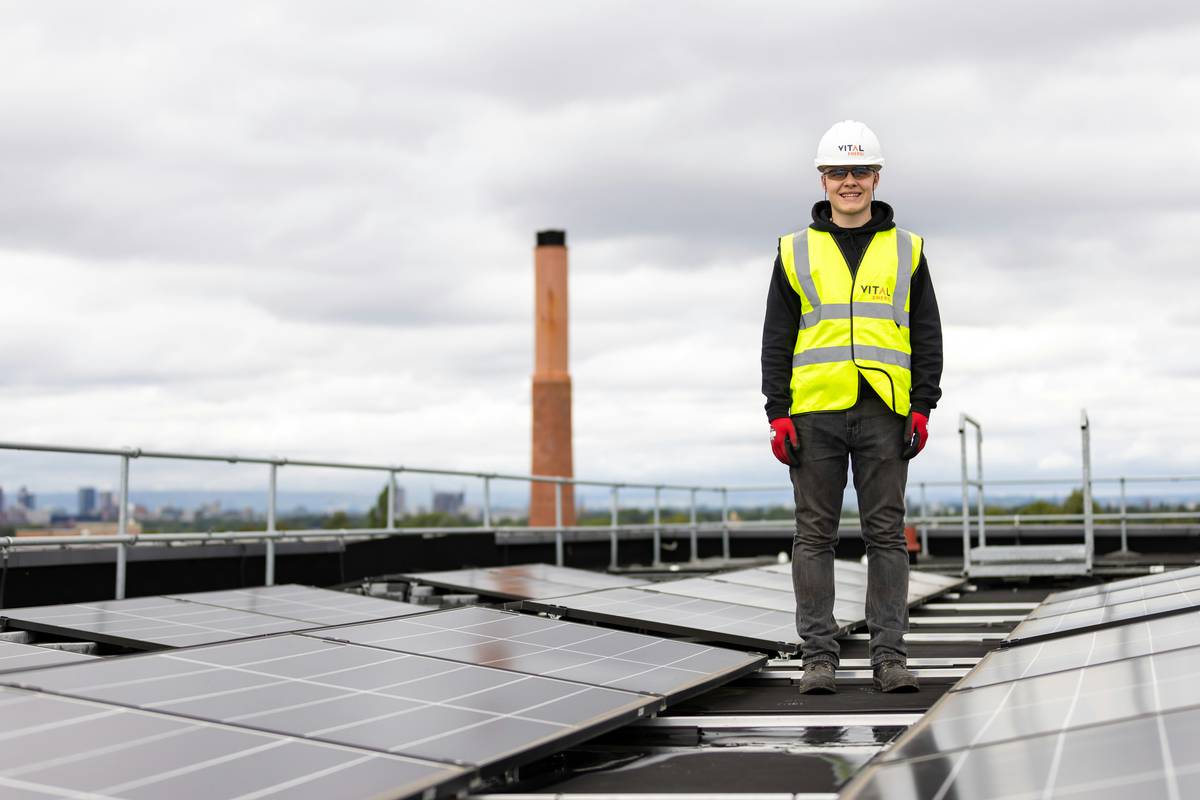
If you’re stepping into the booming world of commercial solar energy, skipping proper training for solar panel installation isn’t just risky—it’s a fast track to structural damage, fire hazards, or voided warranties. With the U.S. commercial solar market projected to grow by over 8% annually through 2030 (U.S. Department of Energy), demand for skilled installers has never been higher. But here’s the hard truth: slapping panels on a warehouse roof without deep technical knowledge is like performing surgery with a butter knife.
Table of Contents
- Why Commercial Solar Installation Demands Specialized Training
- Step-by-Step Path to Becoming a Commercial Solar Installer
- Best Practices for Safe and Efficient Installations
- Real-World Case Study: Commercial Rooftop Success
- Frequently Asked Questions
Key Takeaways
- Commercial solar projects involve complex electrical systems, structural engineering, and permitting—far beyond residential setups.
- Formal training for solar panel installation reduces errors, insurance claims, and system downtime.
- OSHA and NABCEP certifications significantly boost credibility and job prospects.
- Hands-on practice on simulated commercial roofs is non-negotiable before working on live sites.
Why Commercial Solar Installation Demands Specialized Training
Unlike sloped home roofs, commercial buildings often feature flat surfaces, ballasted racking systems, and high-voltage arrays that feed directly into three-phase utility infrastructure. I once watched a crew—confident from years of residential work—misalign torque specs on a ballast block during a Midwest warehouse install. Within six months, wind uplift shifted the entire array 18 inches. Repairs cost $37,000. That’s why training for solar panel installation tailored to commercial environments is essential: it covers load calculations, NEC Article 690 compliance, and rapid shutdown protocols most DIY courses ignore.
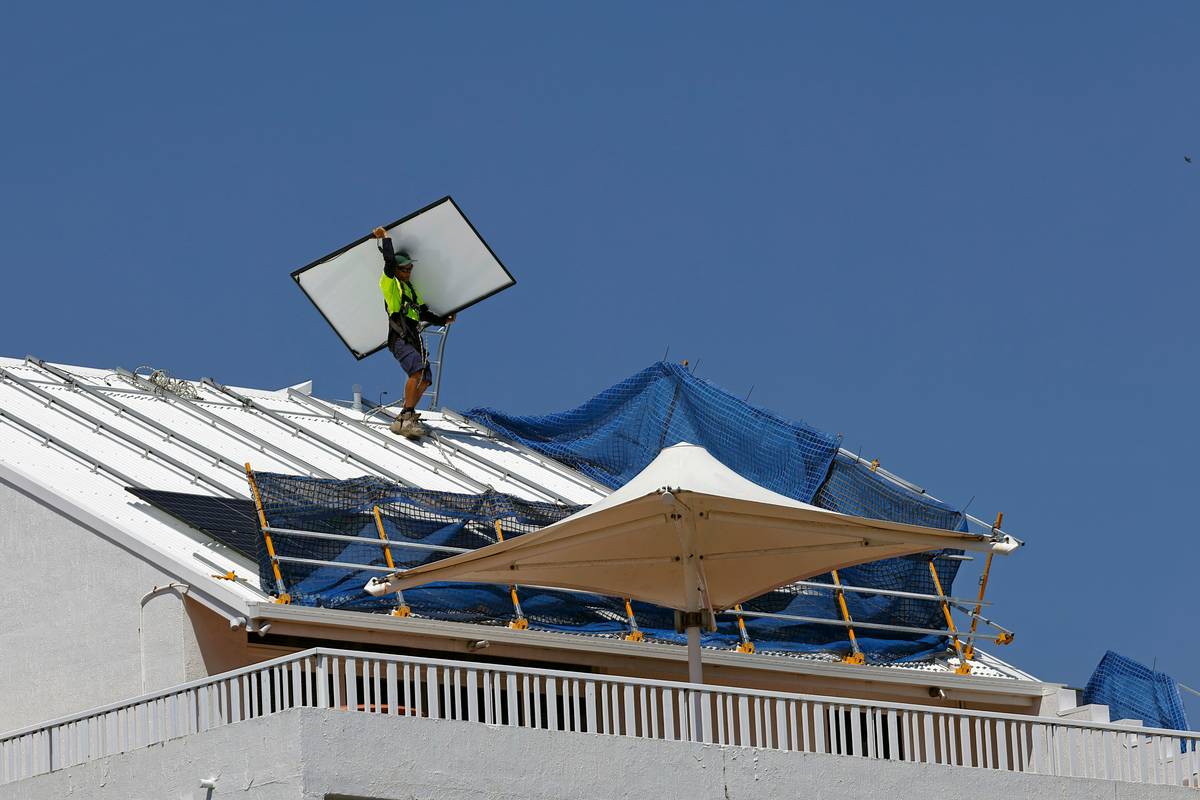
Step-by-Step Path to Becoming a Commercial Solar Installer
1. Build Foundational Knowledge
Start with OSHA 10-Hour Construction Safety Certification. Then study the National Electrical Code (NEC), focusing on Articles 690 (Solar) and 705 (Interconnections). Free resources like the NREL Solar Career Map map out learning pathways.
2. Enroll in a NABCEP-Accredited Program
The North American Board of Certified Energy Practitioners (NABCEP) accredits rigorous courses covering PV design, commissioning, and maintenance. Look for programs offering at least 40 hours of hands-on lab time on commercial-scale simulators.
3. Complete an Apprenticeship
Pair classroom learning with field experience. Many employers partner with community colleges or unions (like IBEW) to offer paid apprenticeships. This blend ensures you learn conduit bending, torque wrench calibration, and infrared imaging diagnostics under supervision.
Best Practices for Safe and Efficient Installations
- Always verify roof integrity first: Use drone-based thermal scans to detect moisture intrusion before mounting.
- Label every circuit clearly: Misidentified DC strings cause arc faults during maintenance.
- Never skip grounding validation: A single ungrounded rail can energize an entire metal roof during a fault.
- Avoid this terrible tip: “Just follow YouTube tutorials.” Real-world commercial sites have variables no video can anticipate—like unexpected HVAC obstructions or corroded parapet walls.
Real-World Case Study: Commercial Rooftop Success
In 2023, a logistics company in Phoenix installed a 425 kW commercial array across three distribution centers. Their installer team had all completed NABCEP PV Installation Professional certification and undergone site-specific training for solar panel installation focused on desert climates. Result? Zero safety incidents, 98.7% system uptime in the first year, and a 22% reduction in grid reliance—verified by their utility bills. Compare that to a similar project nearby where uncertified labor caused repeated AFCI trips, costing $19,000 in diagnostics alone.
Frequently Asked Questions
How long does training for solar panel installation take?
Most accredited programs run 8–12 weeks full-time, including 100+ hours of hands-on labs. Part-time options may stretch to 6 months.
Is NABCEP certification required?
Not federally mandated, but over 70% of commercial EPC firms (Engineering, Procurement, Construction) require it for lead installers per SEIA 2024 workforce data.
Can I start with residential training and move to commercial?
Possible, but inefficient. Commercial systems use different racking, higher voltages, and complex interconnection rules. Specialized training prevents costly relearning.
What’s the average salary after completing training for solar panel installation?
Commercial solar installers earn $62,000–$85,000 annually (BLS 2023), with lead technicians surpassing $95,000.
Do I need an electrician’s license?
Depends on your state. In California and New York, yes—you must hold a journeyman license to sign off on commercial electrical work.
Where can I find legitimate training near me?
Check NABCEP’s directory or community colleges with renewable energy programs. Always verify accreditation status and graduate placement rates. Learn more about our mission and team background on our About Us page.
Look, solar isn’t just wiring panels—it’s engineering trust. Every bolt torqued, every conduit bent, every label applied says, “I know what I’m doing.” That confidence comes only from deliberate, structured education—not guesswork. Ready to build that future? Reach out through our Contact Us page. And remember: sunlight is free, but competence? That’s earned. ☀️
We respect your privacy—review our full commitment in the Privacy Policy.